















Toward a New Epistemic Horizon for Theology
Reflections from the XIII International Forum of the Pontifical Academy of Theology
On 6–7 March 2026, Rome hosted the XIII International Forum of the Pontifical Academy of Theology, dedicated to the theme:
“Ad Theologiam Promovendam: una rivoluzione epistemica? Nuovi orizzonti del pensiero credente.”
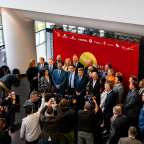
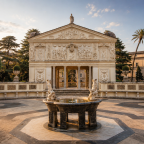
The forum took place at the Salone Apollo of Palazzo Maffei Marescotti, headquarters of the Pontifical Academy of Theology, and brought together theologians, scholars, and institutional representatives to reflect on the evolving role of theology in the contemporary world. 
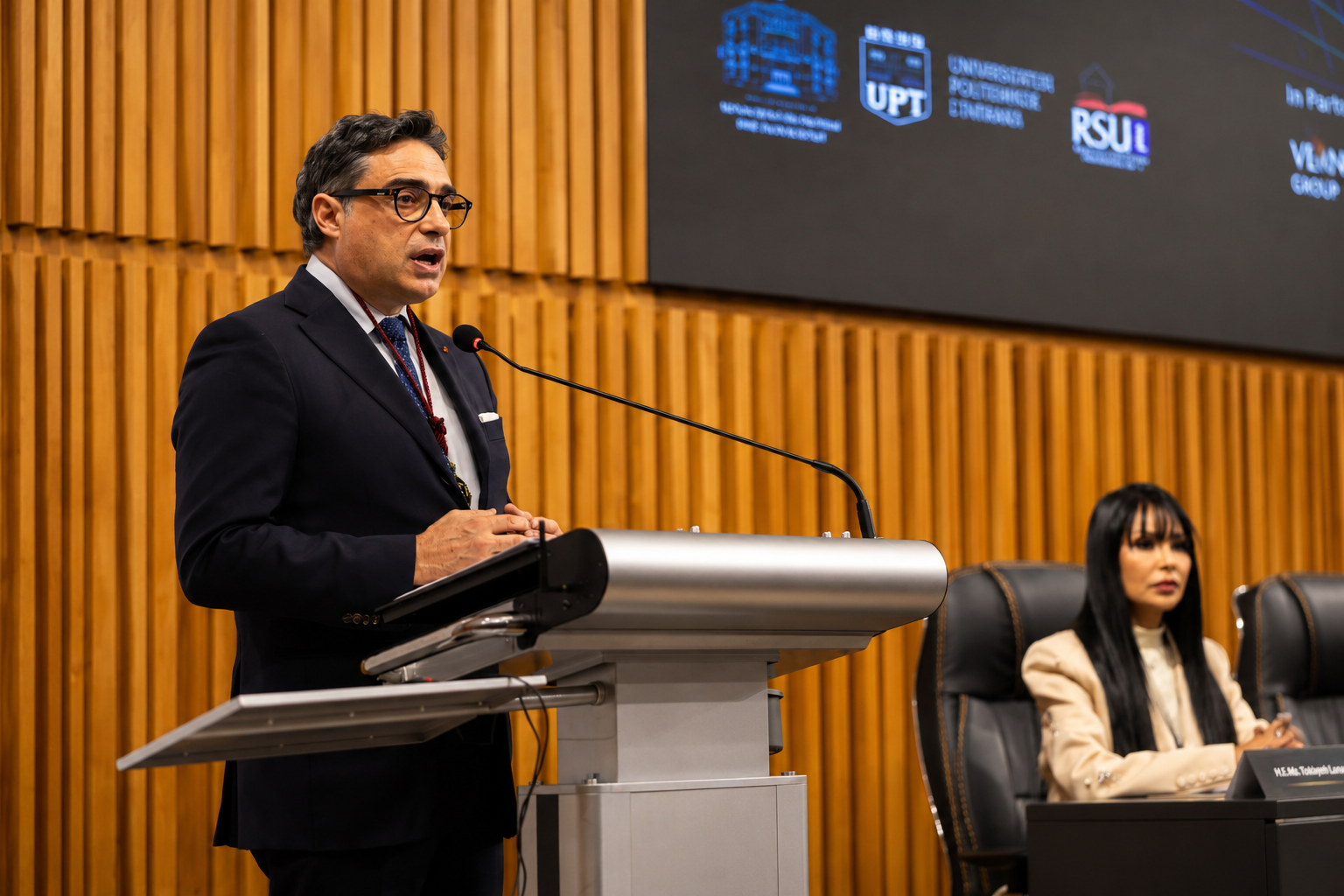
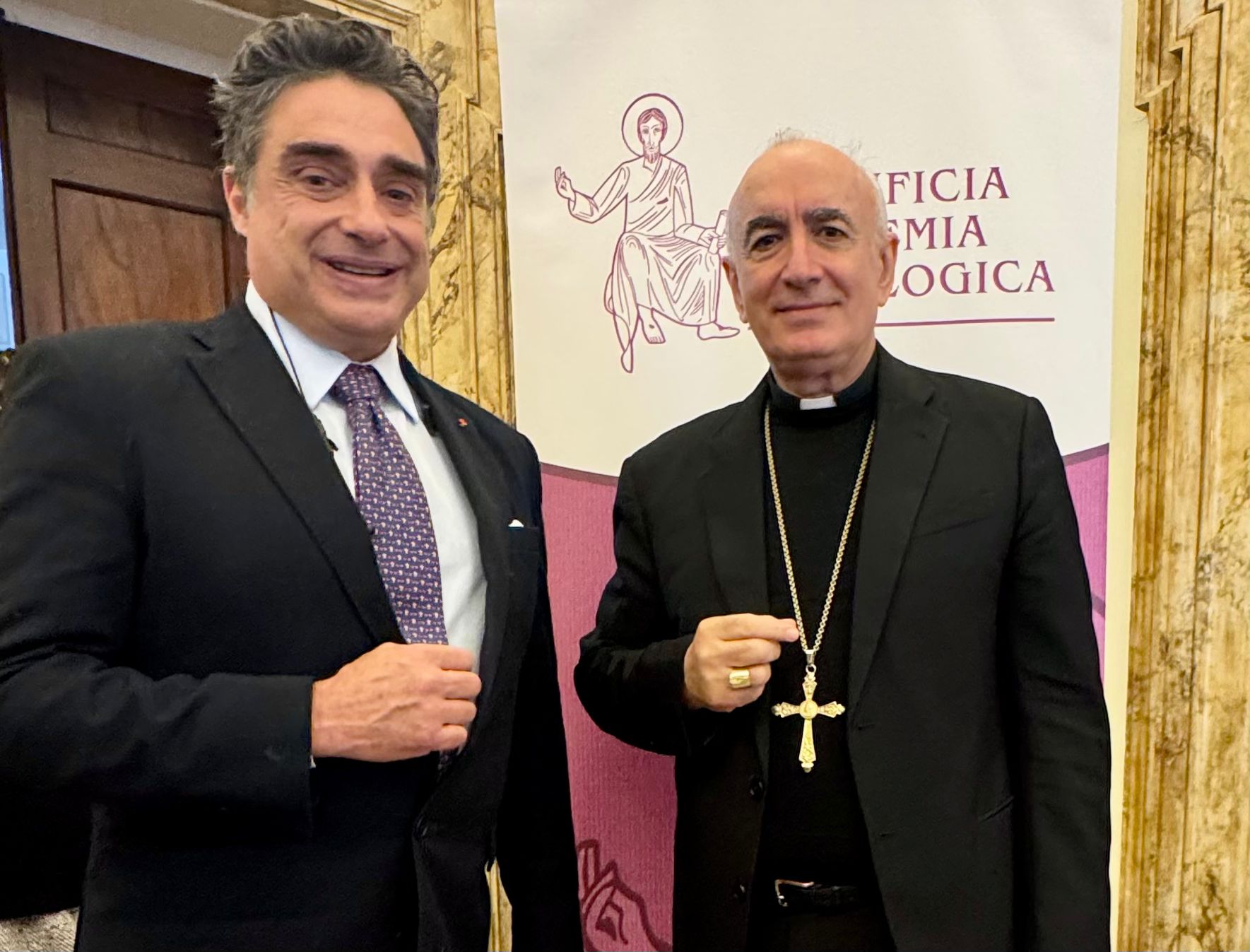
As a participant in the work of the Pontifical Academy of Theology, and in my capacity as President of the Institute for Advanced Studies and Cooperation (IASC) and the IASC World Changers initiative, it was a privilege to take part in two days of dialogue marked by depth, openness, and intellectual rigor.
The discussions were guided by His Excellency Monsignor Antonio Staglianò, President of the Pontifical Academy of Theology, whose leadership continues to encourage a renewed theological reflection capable of engaging the complex realities of our time.
Theology in Dialogue with the Contemporary World The forum addressed a fundamental question: how can theology renew its epistemological foundations in an age shaped by rapid scientific, technological, and cultural transformations?
Opening reflections emphasized the need for theology to rediscover its ability to illuminate human experience and to contribute meaningfully to the ethical and cultural challenges facing global society.
Several presentations explored theology as a “scientia sui generis”, a form of knowledge rooted in faith yet capable of engaging critically with philosophical reasoning and contemporary intellectual inquiry. Contributions from scholars such as Massimo Naro and Teodora Rossi examined the renewal of theological methodology and the importance of rethinking moral theology in light of modern ethical challenges. 
For those engaged in interdisciplinary work—such as the initiatives carried forward through IASC World Changers—these reflections hold particular significance. The dialogue between theology, science, and culture remains essential for guiding responsible progress and safeguarding the dignity of the human person.
The Sapiential Dimension of Theology
A central theme of the forum was the rediscovery of the sapiential dimension of theology, understood not only as analytical reasoning but also as a form of wisdom capable of integrating knowledge, faith, and lived experience. The afternoon sessions explored the theological heritage of the patristic tradition and the enduring influence of thinkers such as Augustine, Thomas Aquinas, and Antonio Rosmini. Their reflections continue to offer valuable insights for a theology that seeks to speak meaningfully to contemporary humanity. The presentation of the volume “Una teologia sapienziale – Indagini e proposte per un modello teologico” further highlighted the importance of a theological model capable of bridging academic inquiry with the existential and spiritual questions of our time. 
From Faith to Fraternity
The second day of the forum concluded with a roundtable titled: “Dalla fede alla fraternità: la teologia come matrice di una cultura della solidarietà.” The conversation brought together voices from diverse fields—including culture, journalism, public service, and pastoral ministry—to reflect on how theological thought can inspire a broader culture of solidarity and social responsibility. Such interdisciplinary dialogue reflects an increasingly important reality: theology today must not remain confined to academic discourse but should actively contribute to shaping a culture of fraternity, justice, and shared responsibility.
Convergences with the Mission of IASC
The reflections emerging from this forum resonate strongly with the mission of the Institute for Advanced Studies and Cooperation (IASC). Within the IASC World Changers community, scholars, innovators, and leaders work together to explore the intersections of science, technology, ethics, and spirituality. In an era defined by transformative developments—from artificial intelligence to quantum technologies—the dialogue between theological wisdom and scientific progress becomes ever more essential. The work of the Pontifical Academy of Theology reminds us that the pursuit of knowledge must remain rooted in a vision of the human person that integrates reason, responsibility, and transcendence.
A Shared Commitment to Human Flourishing
The two days of reflection in Rome reaffirmed the importance of building bridges between disciplines, institutions, and cultures. Theology continues to offer a unique contribution to global conversations about the future of humanity: a perspective grounded not only in intellectual inquiry but also in wisdom, ethical responsibility, and the search for meaning. For those engaged in the work of IASC and the World Changers network, these reflections serve as a reminder that the advancement of knowledge must always remain oriented toward the flourishing of humanity and the common good. I would like to express my sincere gratitude to His Excellency Mons. Antonio Staglianò and to the Pontifical Academy of Theology for the generosity of their welcome and the richness of the dialogue that characterized this forum. The exchange of ideas during these days represents an important step in strengthening the relationship between theological reflection and the broader interdisciplinary efforts aimed at shaping a more just, responsible, and humane future.
Thanks To

