


















Human Regenerative & Flourishing Initiative
Advancing regenerative science, human capabilities through research, innovation and international cooperation
Explore sectionsAbout
The IASC Human Regeneration & Flourishing Initiative is a multidisciplinary global platform dedicated to advancing regenerative science, longevity research, human performance, neurodiversity, environmental regeneration, ethical artificial intelligence, and humanitarian resilience.
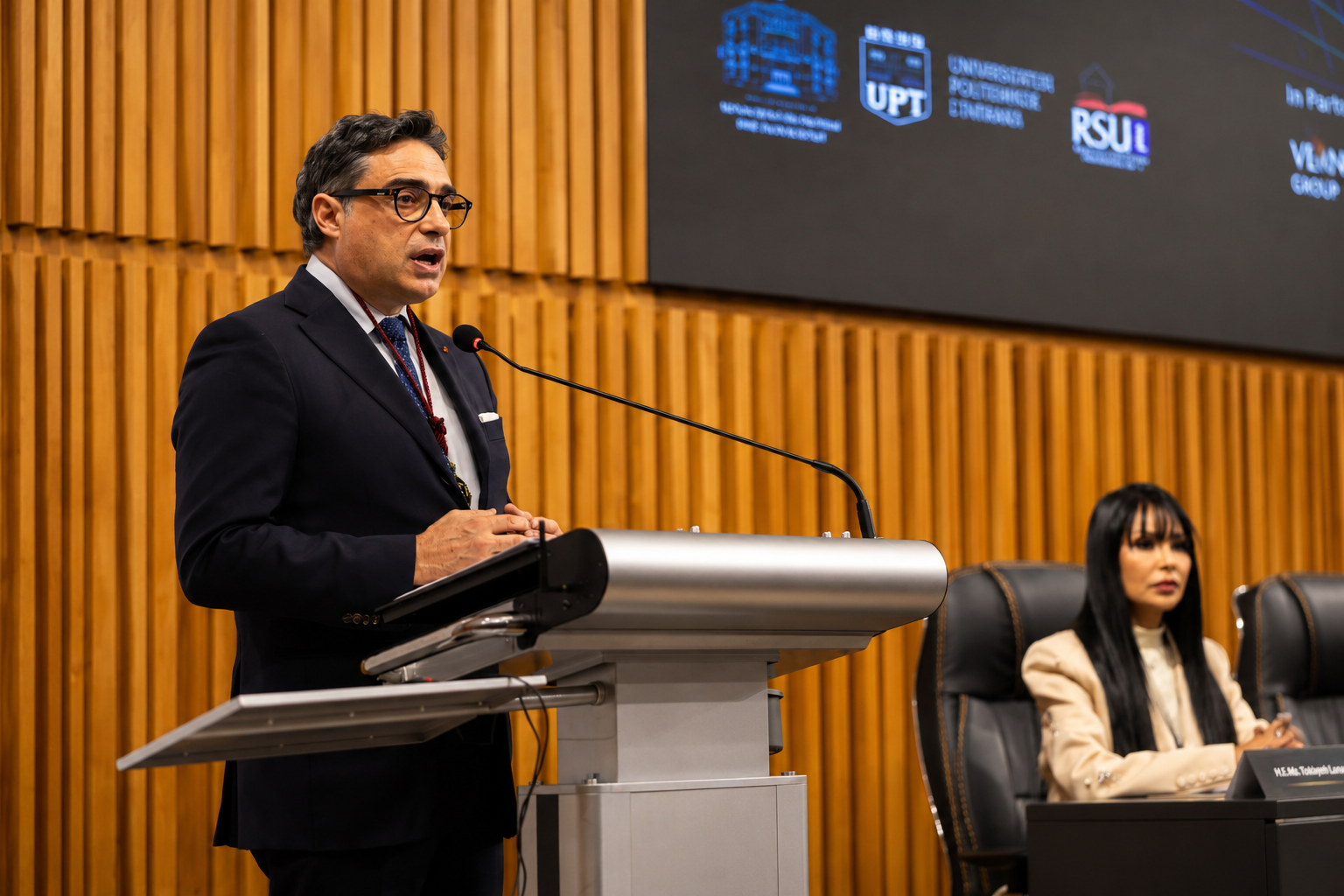
Developed under the leadership of Prof. Gabriele Pao-Pei Andreoli MD, President of the Institute for Advanced Studies and Cooperation (IASC), the initiative brings together an international network of physicians, scientists, researchers, engineers, educators, humanitarian organizations, technology innovators, architects, and policy leaders committed to exploring new pathways for human flourishing in the twenty-first century.
At its core lies a simple but transformative conviction:
Human beings are not designed merely to survive. They are designed to adapt, regenerate, learn, contribute, and flourish.
The future of healthcare, education, technology, and public policy must therefore move beyond the management of disease toward a deeper understanding of the biological, cognitive, environmental, social, and technological factors that enable human potential to emerge.
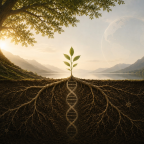
The future of humanity begins with human regeneration.
Our Vision
The Human Regeneration & Flourishing Initiative seeks to contribute to a future in which scientific innovation, human dignity, environmental responsibility, and ethical technology work together to support healthier, more resilient individuals and communities.
We believe that health cannot be reduced to the absence of illness.
True wellbeing emerges through the harmonious interaction of body, mind, environment, purpose, relationships, knowledge, and responsible technological innovation.
Our work is therefore guided by a holistic understanding of regeneration — one that recognizes the interconnected nature of biological systems, cognitive development, environmental stewardship, and societal wellbeing.
Rather than focusing solely on longevity, we seek to advance the broader concept of human flourishing.
Gallery

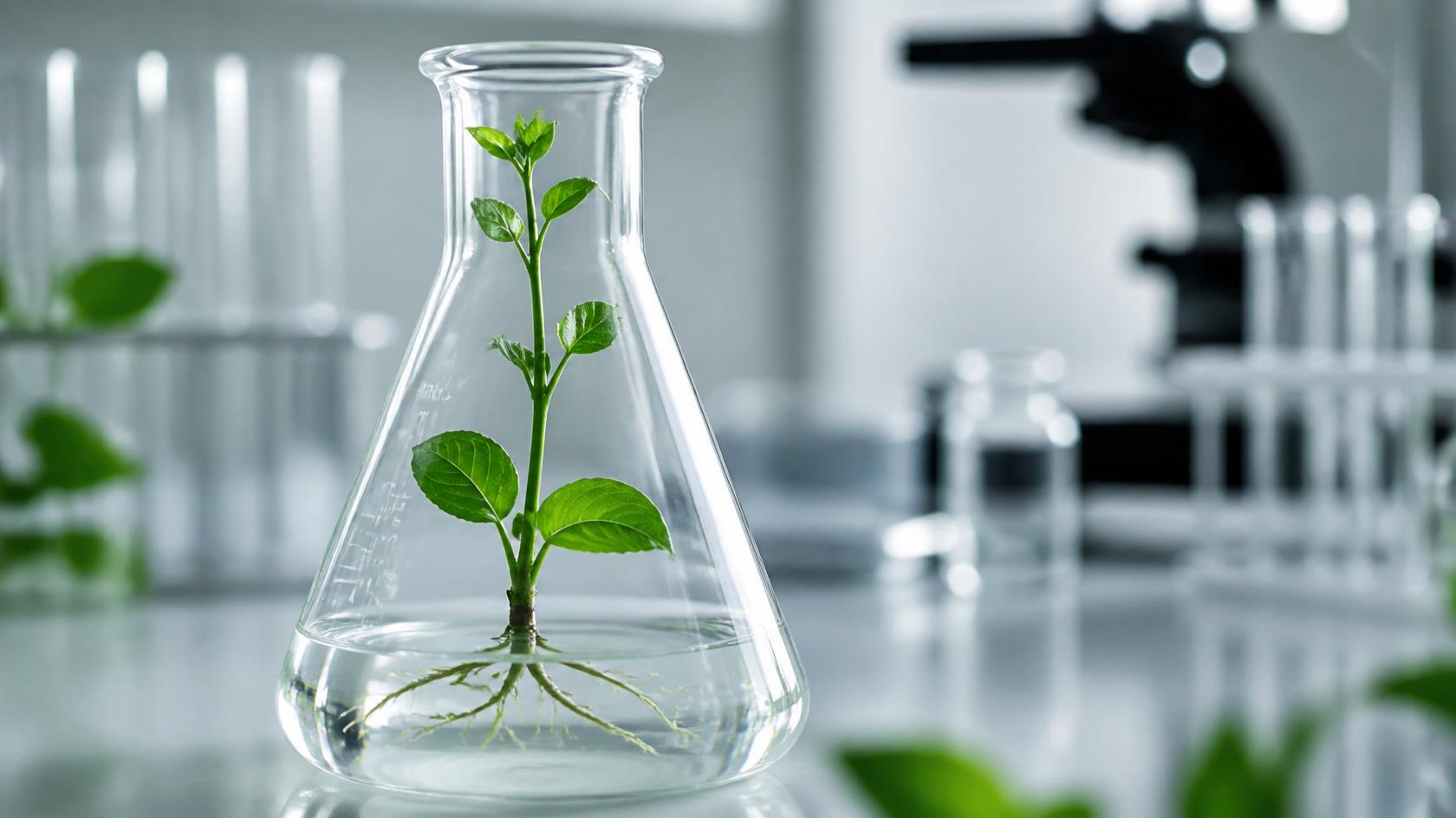
Human Regeneration Ecosystem

Regenerative Science and Human Performance
Human biology is not static. Throughout life, the body continuously renews, adapts, repairs, and reorganizes itself. Cells regenerate, neural pathways evolve, immune systems respond to challenges, and biological systems constantly seek equilibrium. The initiative explores how advances in regenerative medicine, neuroscience, preventive healthcare, bioengineering, personalized medicine, and human performance sciences can help support these natural processes. Areas of focus include:- Cellular regeneration and healthy aging
- Cognitive performance and brain health
- Preventive and personalized medicine
- Human resilience and antifragility
- Recovery and adaptation under stress
- Metabolic optimization
- Performance enhancement in demanding environments
- Evidence-informed regenerative technologies
- Non-invasive therapeutic approaches
- Human flourishing throughout the lifespan

Neurodiversity, Brain Health and Cognitive Flourishing
The future of human development requires a deeper appreciation of neurodiversity. Every individual experiences the world through unique neurological, cognitive, emotional, and sensory frameworks. These differences represent not limitations but opportunities for understanding the full spectrum of human potential. The initiative supports interdisciplinary research into:- Neurodiversity and learning
- Cognitive performance
- Mental resilience
- Creativity and innovation
- Brain health and recovery
- Human adaptation and behavioural science

Educational Innovation and Inclusive Environments
Our objective is to identify approaches that enable individuals to thrive while respecting the richness and diversity of human cognition.

PTSD Recovery, Humanitarian Resilience and Emergency Response
In collaboration with humanitarian partners, including Red Cross organizations in Albania and North Macedonia, the initiative is exploring innovative approaches to resilience, recovery, and post-traumatic rehabilitation. The program examines how regenerative technologies, neuroscience, physiological monitoring, and supportive recovery protocols may contribute to improving wellbeing and functional recovery among individuals exposed to prolonged stress and traumatic events. Particular attention is dedicated to:- Emergency responders
- Humanitarian personnel
- Veterans
- Healthcare workers
- Disaster-affected communities
- Individuals exposed to high-stress operational environments
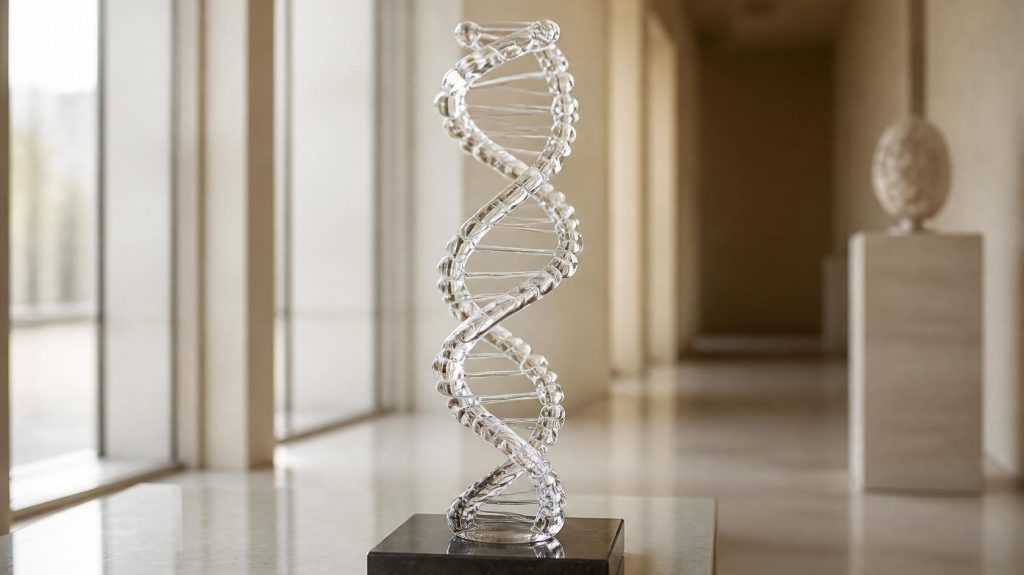
Evolutionary Biohacking®
Developed in collaboration with Evolutionary Biohacking®, the initiative promotes a human-centered approach to optimization and regeneration. Evolutionary Biohacking moves beyond simplistic notions of enhancement and instead focuses on understanding how biological systems naturally adapt, recover, learn, and evolve. The framework integrates:- Regenerative science
- Lifestyle medicine
- Human performance research
- Neuroscience
- Personalized health technologies
- Ethical artificial intelligence
- Environmental awareness
- Human development and education
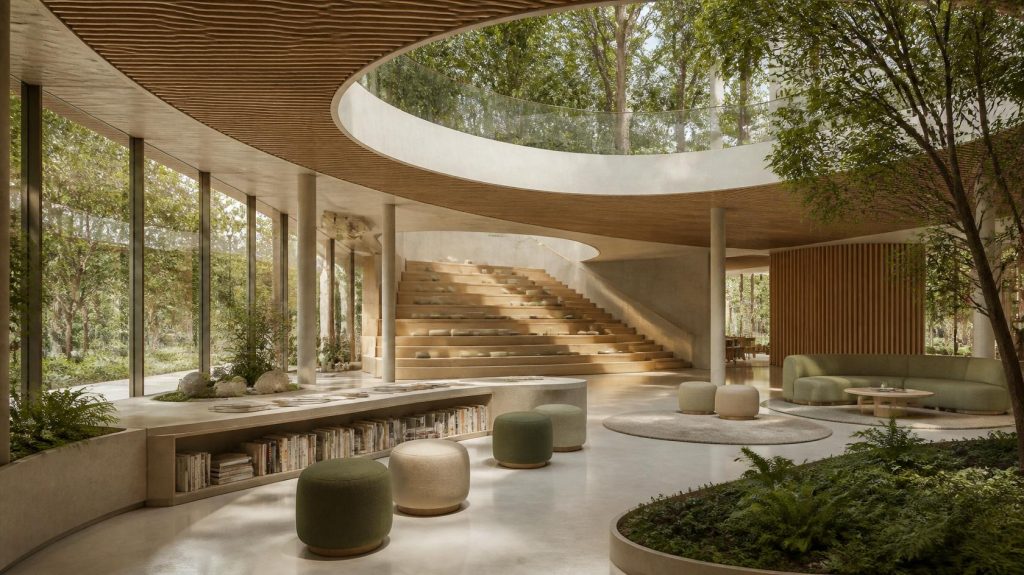
Regenerative Architecture, Materials and human Environments
The spaces in which we live, learn, work, recover, and interact profoundly influence our physical and psychological wellbeing. The initiative therefore explores the emerging fields of regenerative architecture and human-centered environmental design. Research areas include:- Biophilic architecture
- Natural and adaptive lighting
- Acoustics and sensory environments
- Sustainable construction materials
- Indoor environmental quality
- Human interaction with natural ecosystems
- Regenerative design principles
- Environmental psychology

Environmental Regeneration and Human Wellbeing
Human health and environmental health are inseparable. The initiative works closely with IASC programmes focused on environmental cooperation, regenerative development, and sustainable innovation. Our research seeks to better understand the relationship between:- Biodiversity
- Environmental quality
- Water systems
- Food systems
- Climate resilience
- Pollution exposure
- Ecological restoration
Human Health Outcomes
Healthy societies require healthy ecosystems.
The regeneration of people and the regeneration of the planet must be viewed as complementary dimensions of the same challenge.

Ethical Artificial Intelligence and Human Enhancement
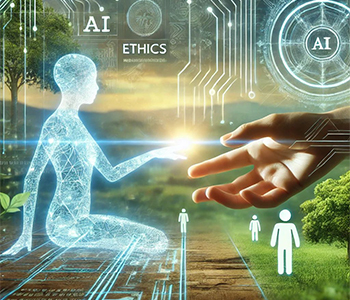
Artificial intelligence is rapidly transforming healthcare, education, research, and decision-making. The initiative therefore collaborates closely with IASC programmes dedicated to ethical AI governance and responsible innovation Research focuses on the responsible application of AI to:- Personalized health pathways
- Regenerative medicine
- Cognitive performance
- Preventive healthcare
- Humanitarian operations
- Education and training
- Data analysis and outcome measurement
- Digital health ecosystems

Global Regenerative Knowledge Platform
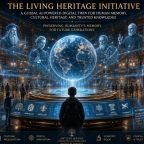
A cornerstone of the initiative is the creation of an international and independently verifiable knowledge platform dedicated to regenerative science. The platform seeks to catalogue, evaluate, and organize information relating to:- Regenerative technologies
- Medical and wellness devices
- Longevity protocols
- Clinical outcomes
- Scientific literature
- Professional education
- Ethical and governance frameworks
- International best practices

Education and Professional Development
In collaboration with DNA22 and an expanding network of international partners, the initiative is developing advanced educational program dedicated to healthcare professionals, performance specialists, coaches, therapists, researchers, and humanitarian practitioners Areas of training include:- Regenerative medicine
- Longevity science
- Human performance
- Professional sport
- Recovery and rehabilitation
- Integrative technologies
- Human resilience
- Emergency response applications
- Ethical AI and health innovation
International Cooperation
The Human Regeneration & Flourishing Initiative reflects the broader mission of IASC: advancing international cooperation through science, education, diplomacy, innovation, and knowledge sharing.
The program serves as a platform for collaboration among universities, healthcare institutions, humanitarian organizations, technology providers, research centres, policymakers, and industry leaders.
Together, these partnerships seek to accelerate the development of responsible, evidence-informed approaches to human wellbeing and societal resilience.
Looking Forward
Humanity is entering an era in which advances in regenerative science, neuroscience, environmental stewardship, and artificial intelligence are creating unprecedented opportunities.
Yet technological progress alone is not enough.
The challenge of our time is to ensure that innovation remains aligned with human dignity, ethical responsibility, and the wellbeing of future generations.