














The Living Heritage
A global digital twin ecosystem for human memory, cultural heritage, and trusted knowledge
Explore sectionsAbout
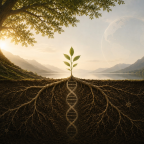
Human civilization is shaped not only by innovation and discovery, but by its ability to preserve and transmit knowledge across generations.
Throughout history, scientific achievements, cultural traditions, institutional experience, spiritual reflection, and humanitarian action have formed a vast and interconnected legacy. Yet much of this heritage remains dispersed across archives, museums, libraries, universities, foundations, and other repositories that often operate in isolation from one another.
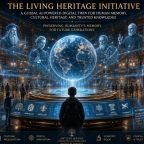
The Living Heritage Initiative was established by the Institute for Advanced Studies and Cooperation (IASC) as an international educational and research program dedicated to exploring new approaches to preserving, organizing, and sharing humanity's collective memory.
By combining scholarship, technology, and international cooperation, the initiative seeks to create trusted environments where knowledge can be preserved, experienced, and transmitted in ways that remain meaningful for future generations.
Preserving memory. Advancing knowledge. Building trust. A global framework for transforming humanity's cultural, scientific, institutional, spiritual, and humanitarian heritage into trusted educational ecosystems for future generations.
Gallery
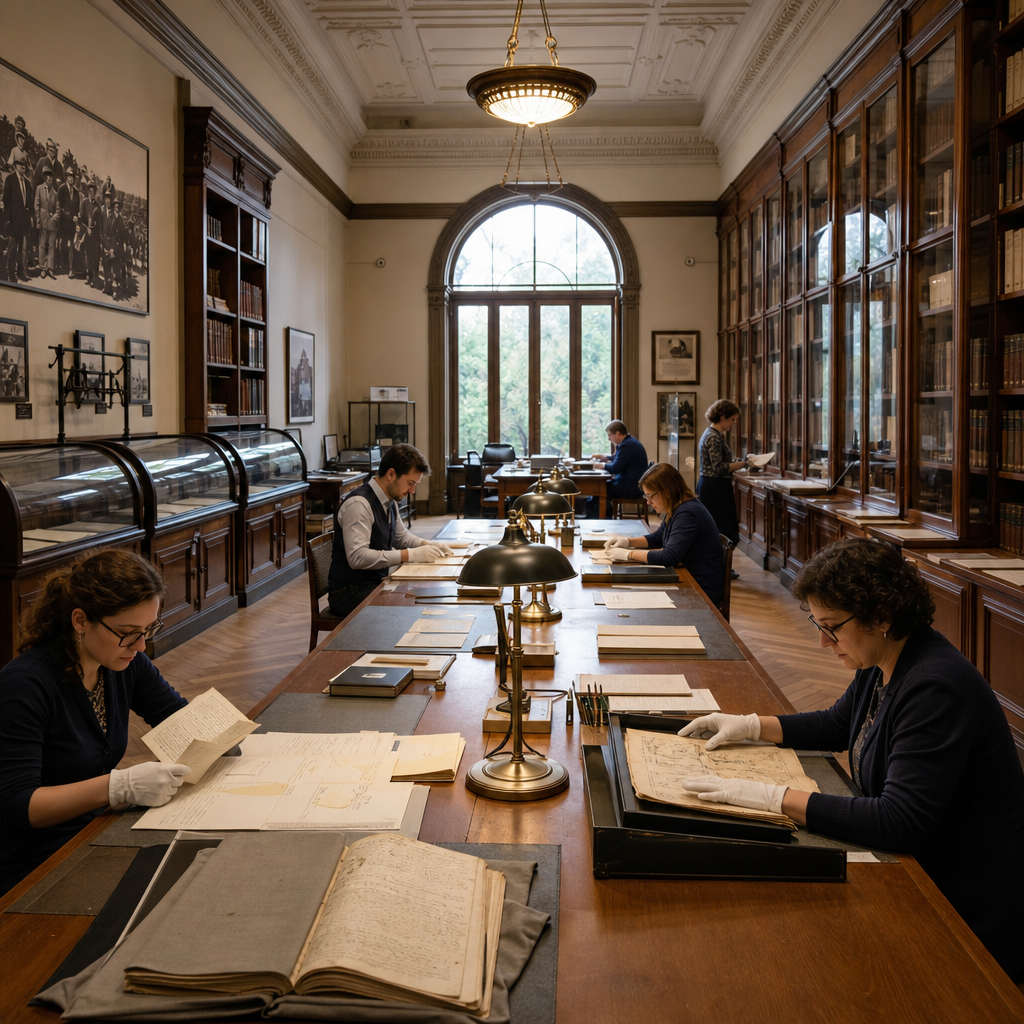
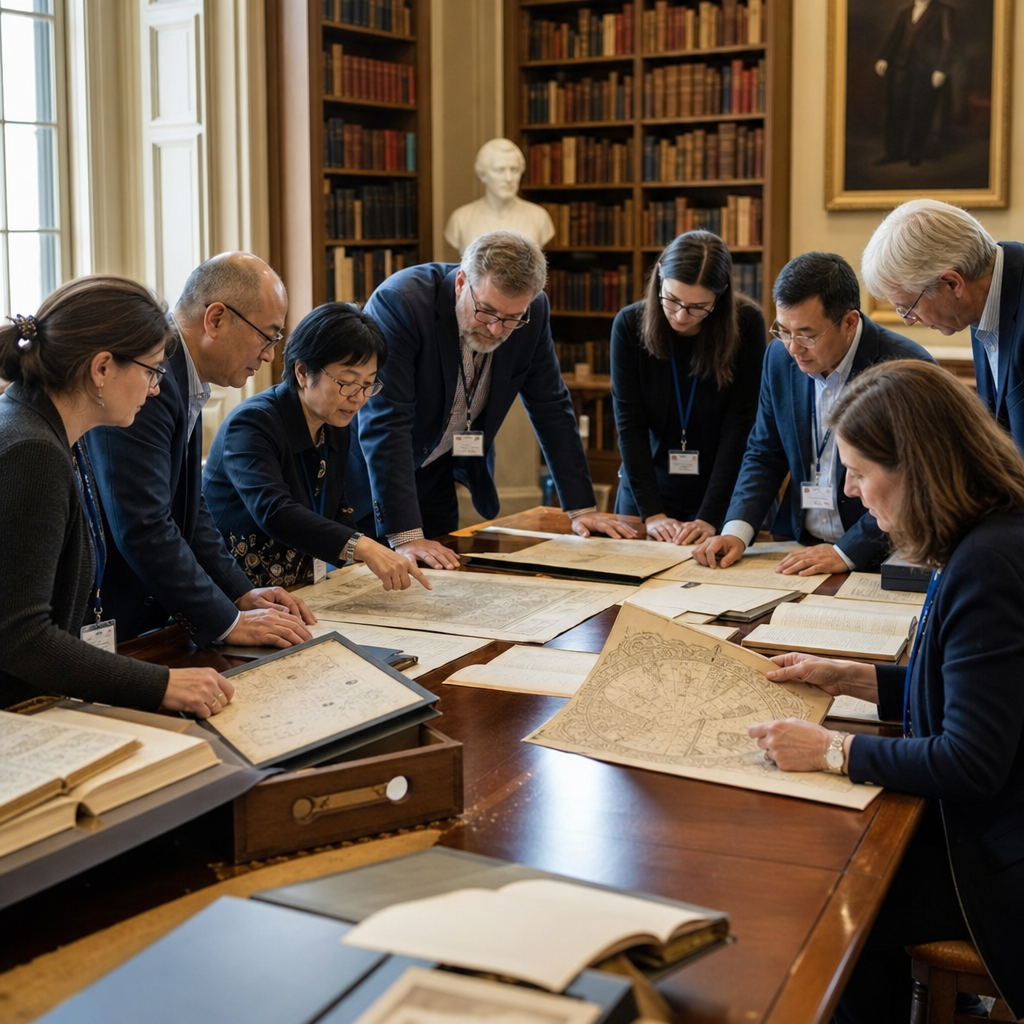
Strategic vision
The twenty-first century presents a fundamental challenge: how can societies preserve the meaning of knowledge in an age of unprecedented technological and informational expansion?
While digital technologies have transformed access to information, access alone does not guarantee understanding. Historical context, intellectual continuity, institutional memory, and cultural interpretation remain essential to the transmission of knowledge.
The Living Heritage Initiative envisions a future in which trusted digital environments enable individuals to engage with the ideas, institutions, discoveries, and traditions that have shaped human civilization.
Its purpose is not simply to digitize the past, but to create new educational pathways through which humanity's accumulated knowledge can remain accessible, relevant, and alive.
04 Domains of heritage
Cultural heritage represents one of humanity's most valuable expressions of identity, creativity, and historical continuity.
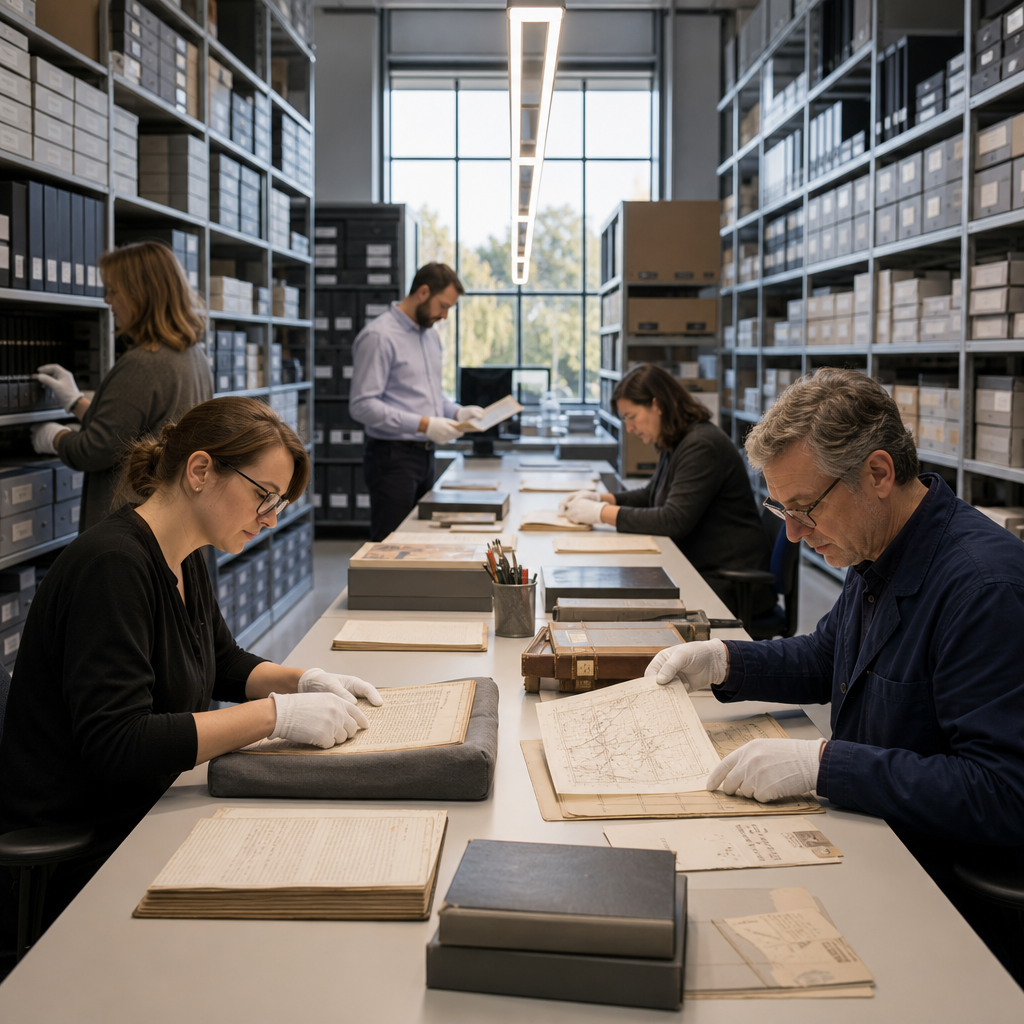
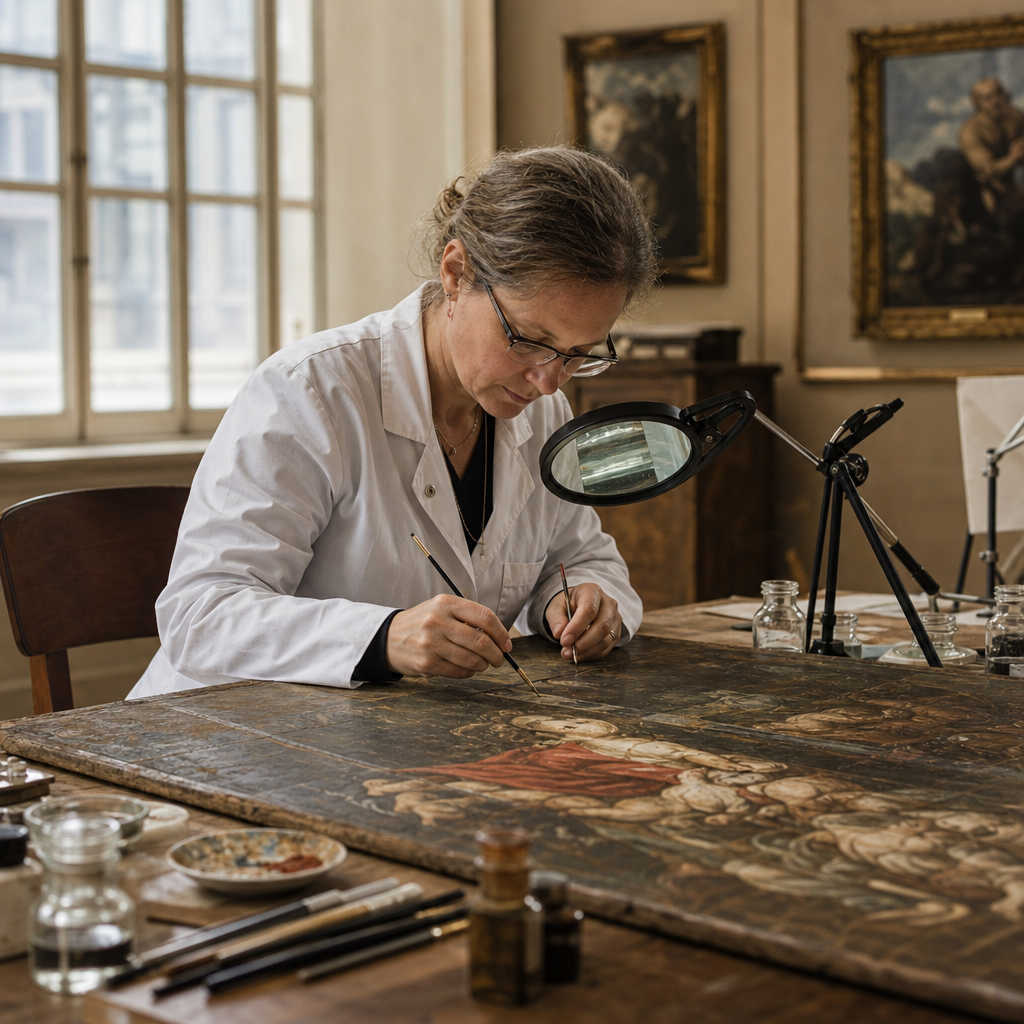
The initiative supports the preservation and interpretation of museums, archives, archaeological sites, artistic collections, architectural heritage, and documentary resources through innovative educational experiences designed to strengthen public engagement and cultural understanding.
Scientific progress is built upon generations of discovery, experimentation, and intellectual achievement. The initiative explores new ways of making scientific heritage accessible through educational environments dedicated to influential researchers, transformative discoveries, research institutions, and major milestones in human knowledge.
Through trusted digital representations developed from verified sources, learners may engage with the ideas and contributions of figures such as Isaac Newton, Marie Curie, Leonardo da Vinci, Galileo Galilei, and other individuals whose work has shaped our understanding of the world.
Historical royal houses, dynastic institutions, and chivalric traditions have played a significant role in the political, cultural, and diplomatic development of societies across centuries.
The initiative supports educational environments that enable the study of constitutional evolution, genealogy, heraldry, diplomatic traditions, and cultural identity through historically grounded and academically validated resources.
Religious traditions have contributed profoundly to the development of philosophy, ethics, culture, education, and social institutions throughout human history.
Through collaboration with religious archives, theological institutions, libraries, and interfaith organizations, the initiative seeks to support educational experiences dedicated to religious history, theology, sacred art, spiritual traditions, and intercultural dialogue.
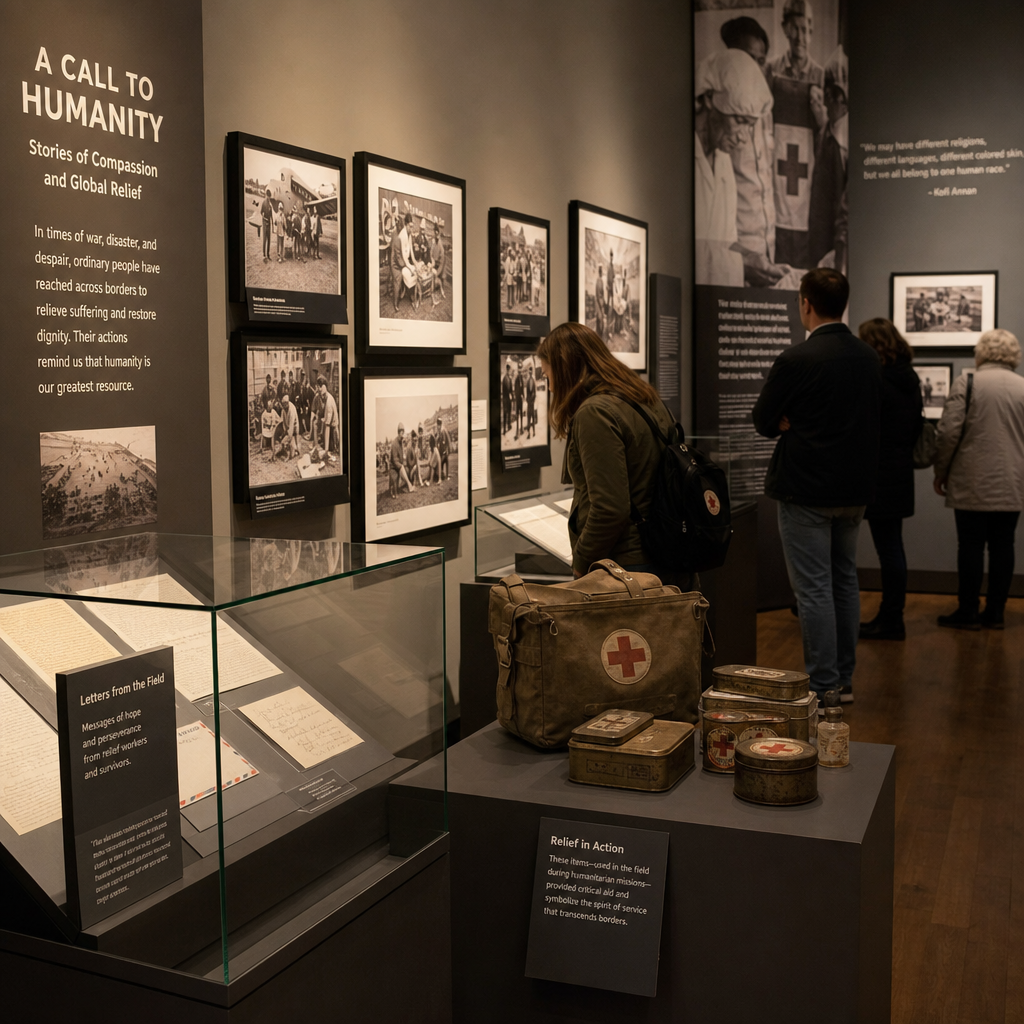
The history of humanitarian action reflects humanity's continuing efforts to promote dignity, solidarity, peace, and international cooperation.
The initiative supports the preservation of institutional memory associated with humanitarian organizations, peacebuilding efforts, human rights movements, and international development programs, helping future generations better understand the values and experiences that have shaped global cooperation.
Knowledge infrastructure
The Living Heritage Initiative is conceived as a trusted knowledge ecosystem designed to preserve institutional memory while expanding educational access to humanity’s shared heritage.
Its architecture is structured around three interconnected components that together support preservation, accessibility, and trust.
Digital Twin Layer
Participating institutions may develop digital representations of their collections, archives, historical records, educational resources, and institutional memory within immersive learning environments.
These digital twins function not simply as repositories of information, but as living educational spaces capable of supporting exploration, interpretation, and engagement.
Educational AI Layer
Interactive educational systems may be developed using verified archives, scholarly publications, institutional documentation, curated expert contributions, and other authoritative sources.
Their purpose is to facilitate learning and public understanding while maintaining fidelity to established historical and academic evidence.
Trust Layer
A governance framework supports transparency, provenance, accountability, and long-term stewardship of knowledge.
This includes mechanisms for source verification, authenticity validation, historical traceability, and responsible knowledge governance, reflecting principles that are central to the broader vision of trusted digital ecosystems.
In Practice
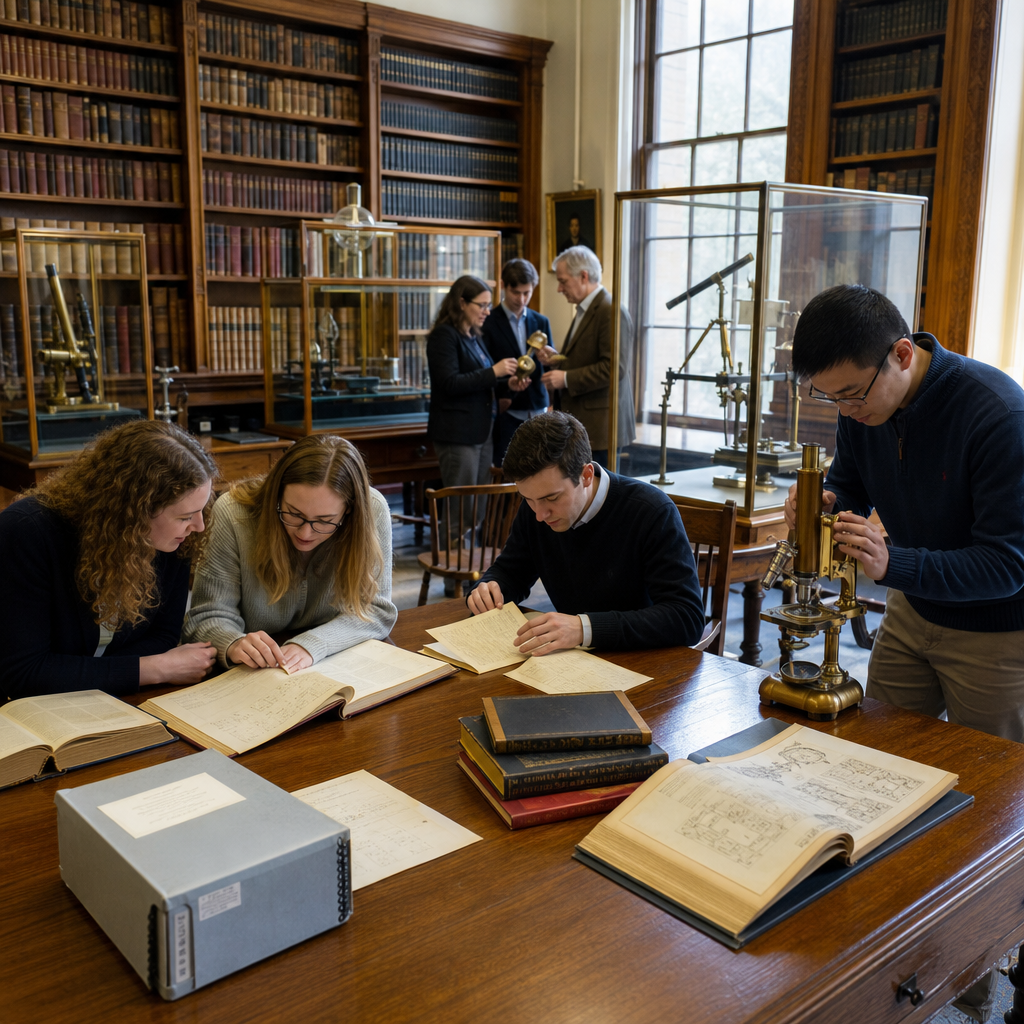
Scientific heritage environments
Educational spaces where students and researchers can explore the discoveries, ideas, and contributions of major scientists through interactive and evidence-based learning experiences.
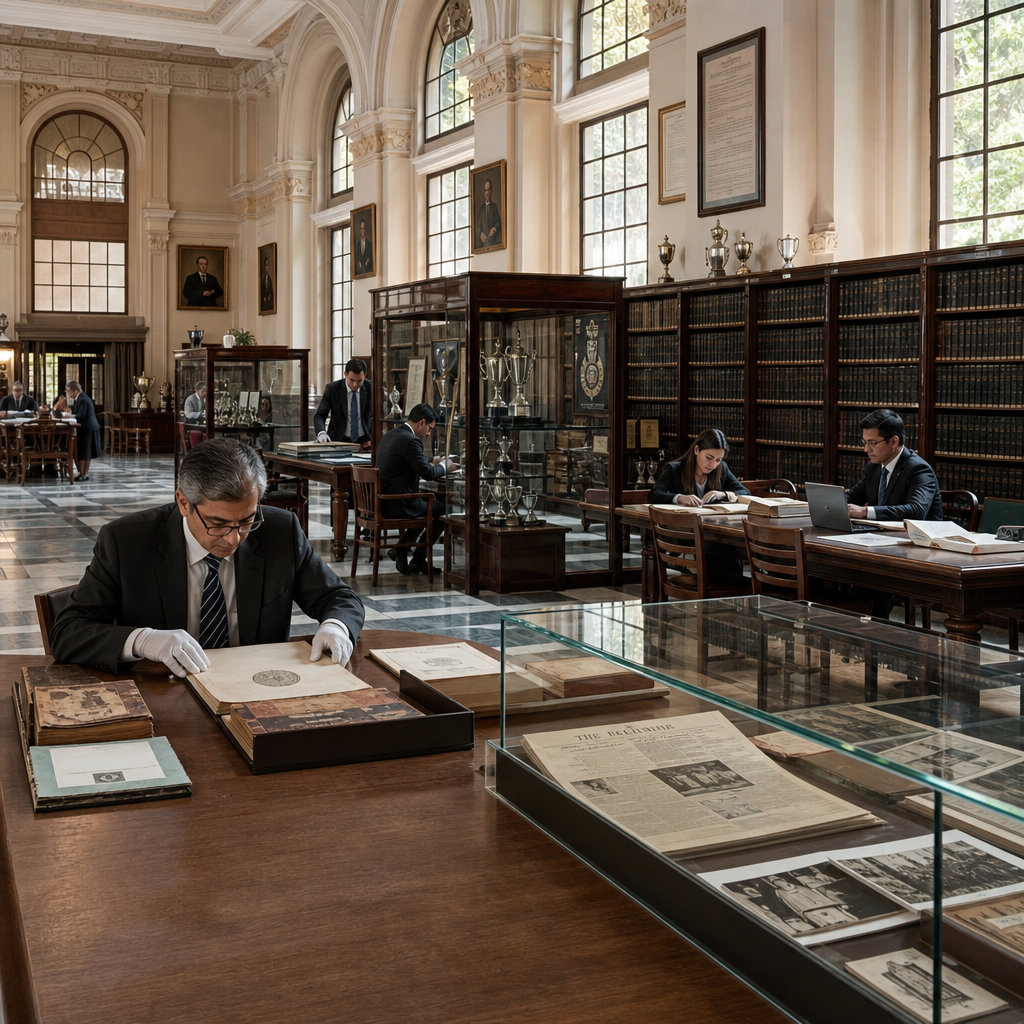
Institutional heritage platforms
Digital environments enabling universities, academies, museums, foundations, and cultural organizations to preserve and communicate their history, values, achievements, and institutional memory.
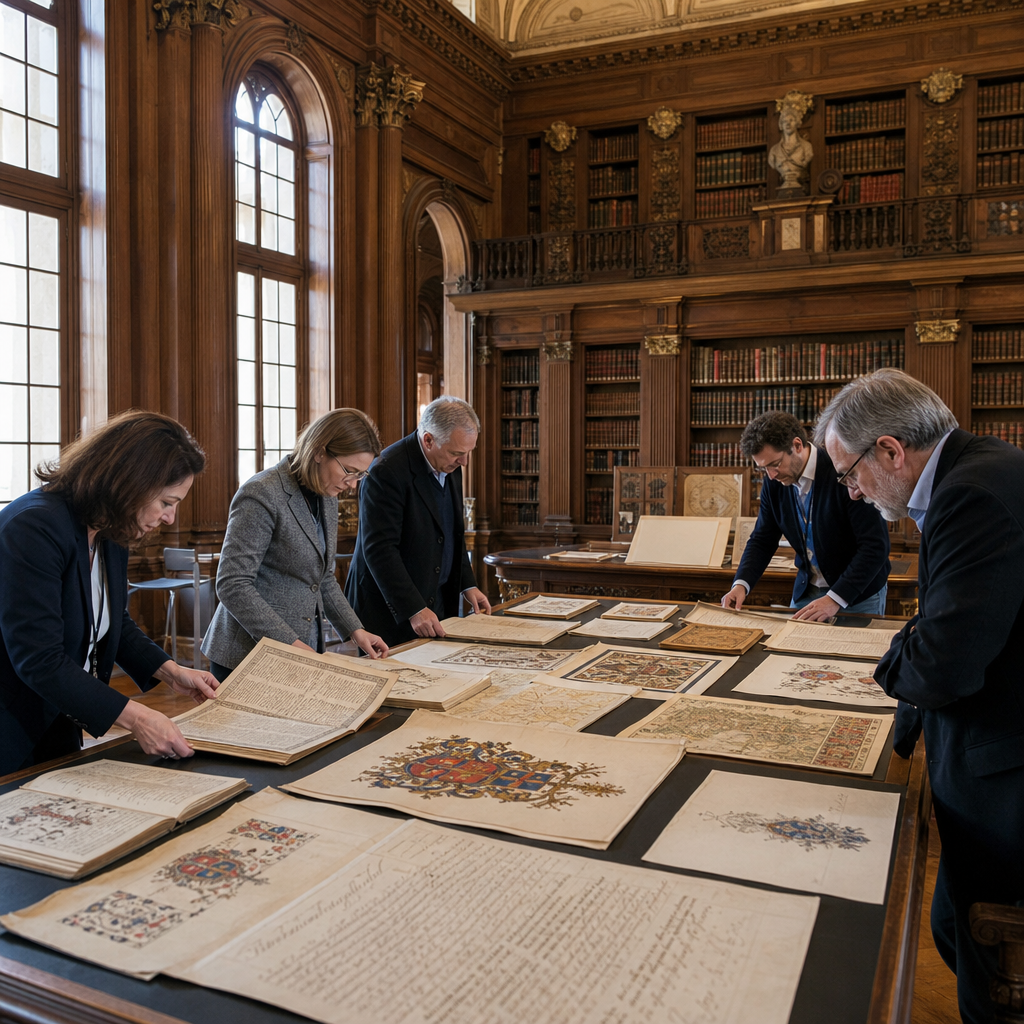
Royal and dynastic heritage programs
Educational experiences dedicated to constitutional history, genealogy, heraldry, diplomacy, and the historical evolution of royal and dynastic institutions.
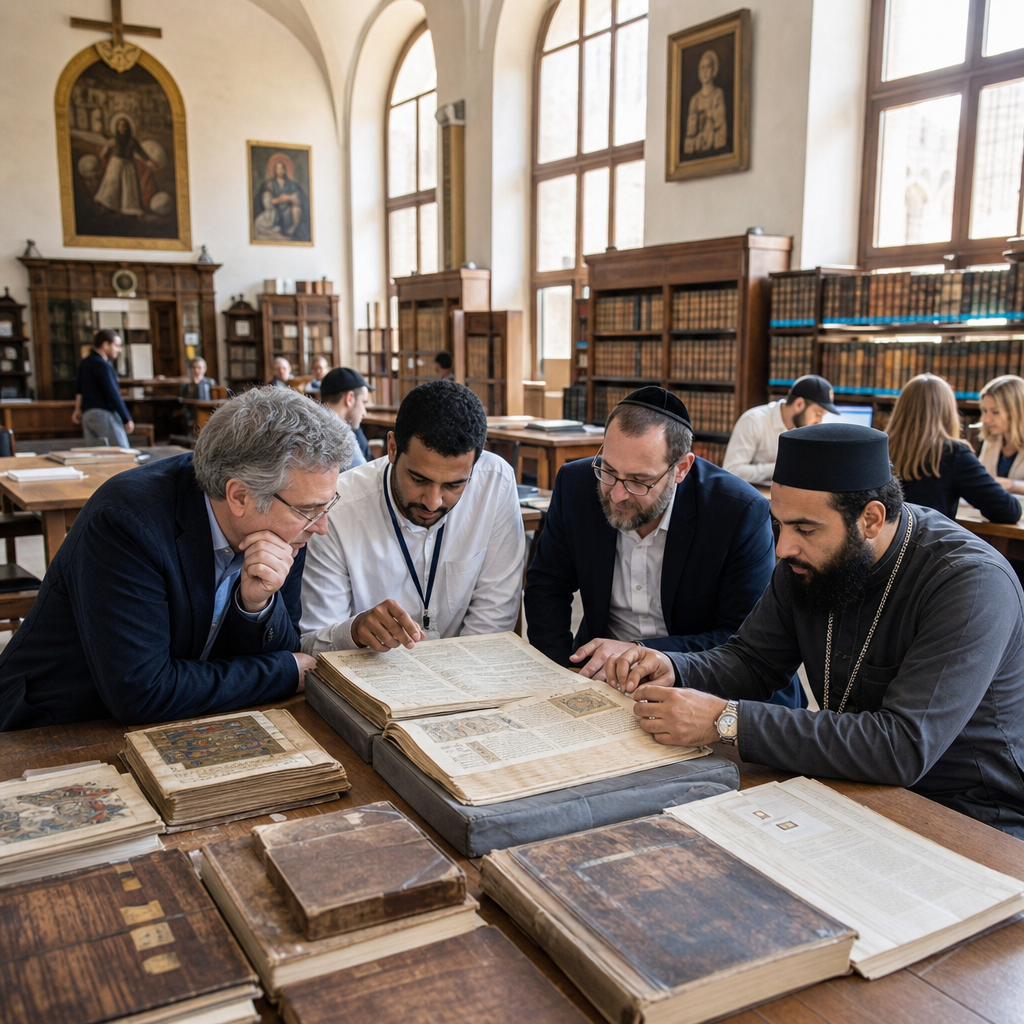
Spiritual and religious heritage experiences
Immersive journeys through religious history, theology, sacred art, and intercultural dialogue, developed in collaboration with trusted institutions and scholarly sources.
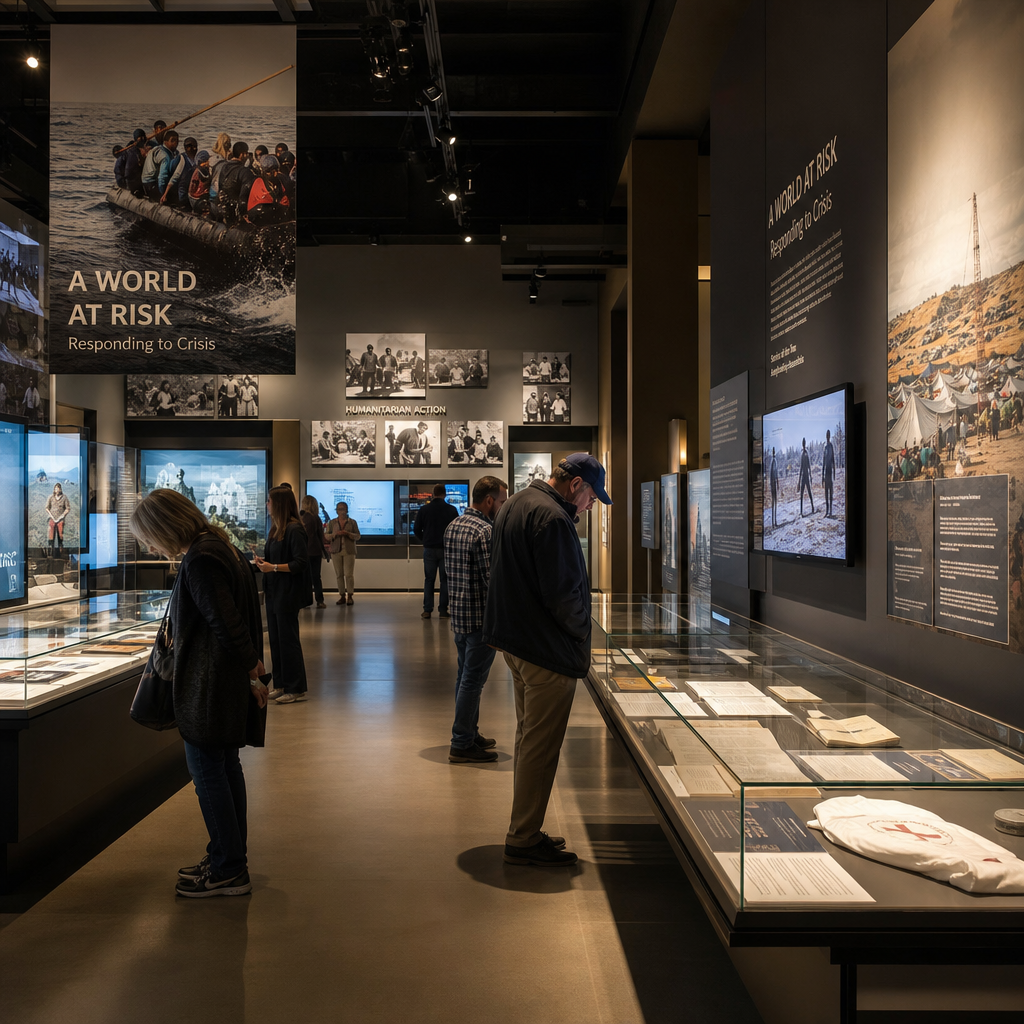
Humanitarian heritage centers
Educational environments preserving the legacy of humanitarian action, peacebuilding, human rights advocacy, and international cooperation.
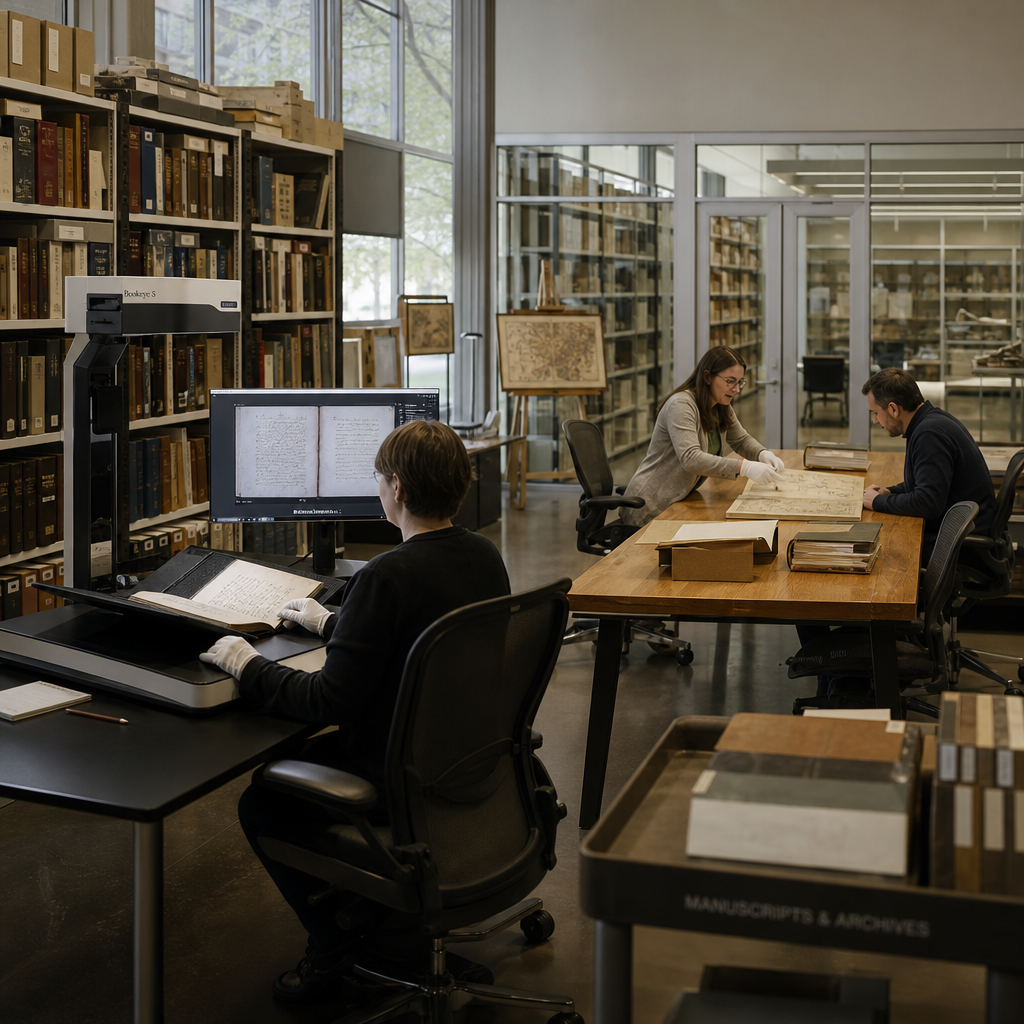
Living archives
Dynamic repositories that allow knowledge to remain accessible, contextualized
Research & collaboration
The Living Heritage Initiative serves as an international platform for interdisciplinary research and institutional cooperation.
Its activities bring together scholars, educators, museums, archives, libraries, universities, scientific academies, technology partners, and cultural organizations committed to advancing new approaches to knowledge preservation and educational engagement.
Research areas include digital humanities, artificial intelligence and cultural heritage, knowledge architecture, historical verification, immersive learning environments, human-computer interaction, educational technologies, digital diplomacy, institutional memory preservation, and trusted knowledge systems.
By fostering collaboration across disciplines and sectors, the initiative seeks to contribute to internationally recognized approaches for preserving and transmitting knowledge in the digital age.
Join us
- SDG 4 — Quality Education
- SDG 9 — Industry, Innovation and Infrastructure
- SDG 11 — Sustainable Cities and Communities
- SDG 16 — Peace, Justice and Strong Institutions
- SDG 17 — Partnerships for the Goals