






















A Visit to the Abrahamic Family House: Dialogue, Trust, and the Architecture of Peace
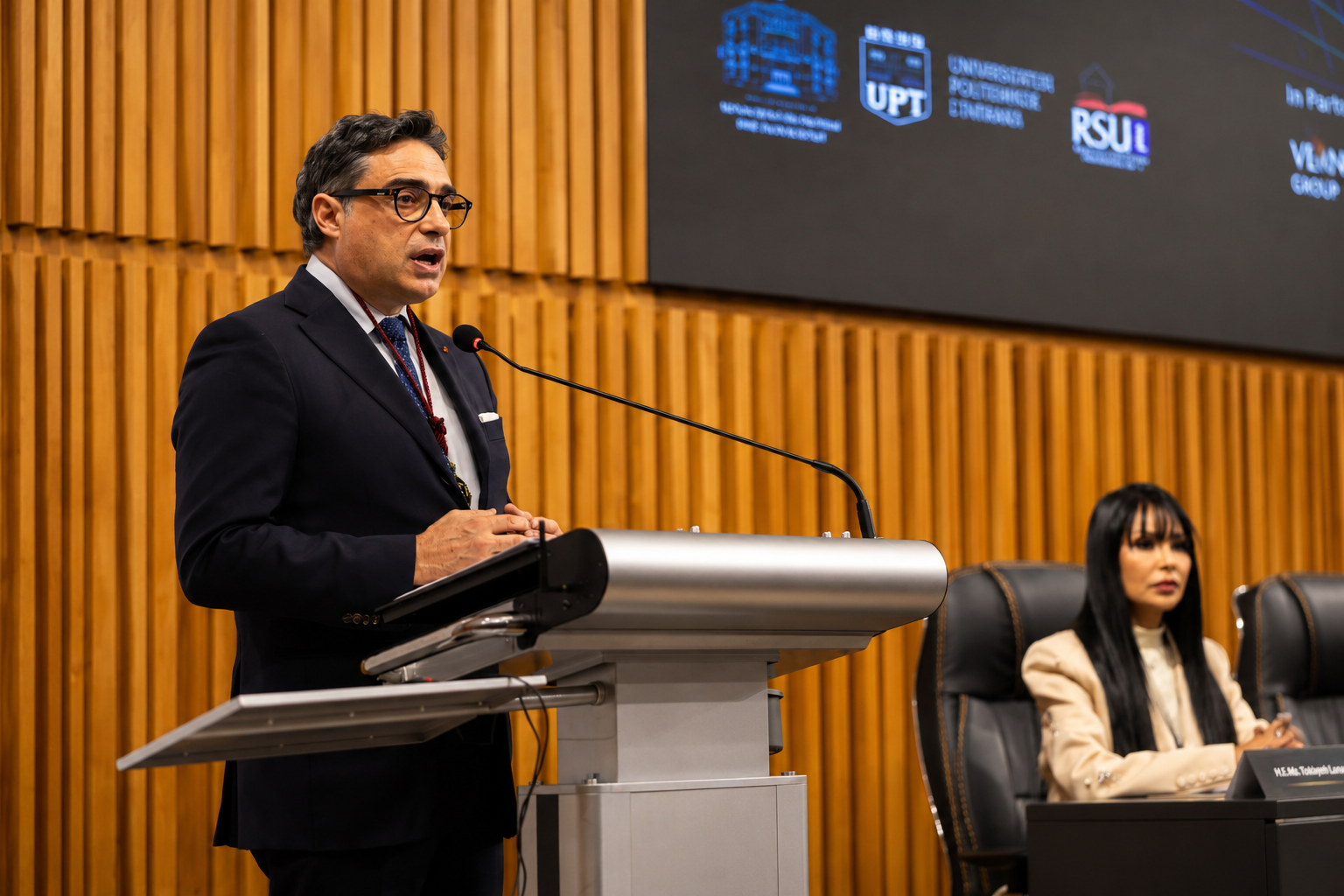
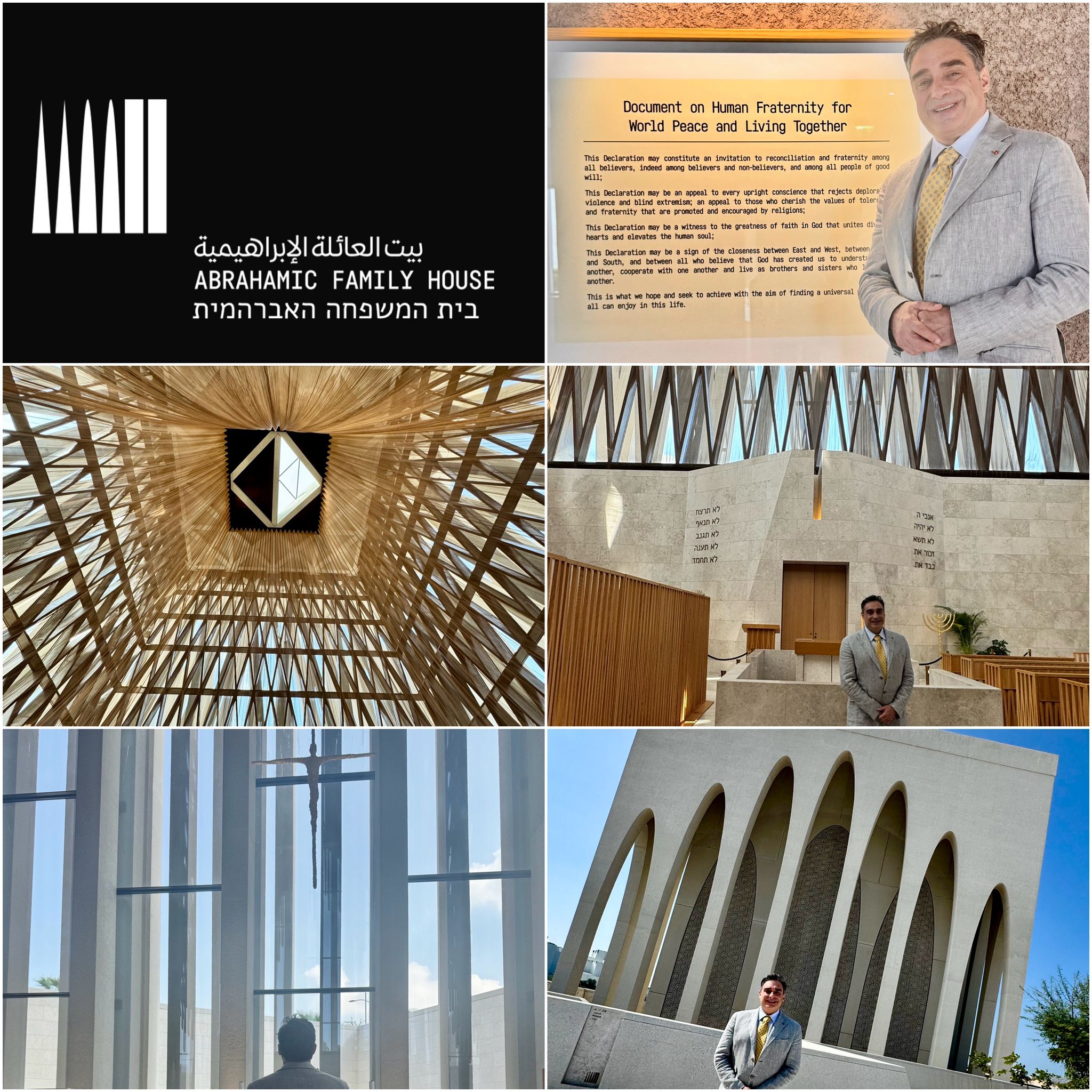
Today, Prof. Gabriele Pao-Pei Andreoli, President of the Institute for Advanced Studies and Cooperation (IASC), paid an official visit to the Abrahamic Family House, a unique and visionary space dedicated to fostering dialogue, mutual understanding, and peaceful coexistence among cultures and faith traditions.
Located at the heart of the cultural district of Abu Dhabi, the Abrahamic Family House welcomes people from all backgrounds to connect, explore, and reflect on our shared humanity. Its mission—to deepen understanding through dialogue, education, the exchange of knowledge, and the practice of faith—resonates profoundly with the values and long-term vision of IASC.
During the visit, Prof. Andreoli met with representatives of the Abrahamic Family House to explore potential areas of future collaboration, with particular attention to the IASC World Changers framework and the Multiverse of Trust initiatives. These programmes seek to build ethical, educational, and technological infrastructures of trust, cooperation, and peace at a global level—objectives that find a natural counterpart in the mission of the Abrahamic Family House.
Prof. Andreoli also expressed deep appreciation for the collaborative spirit and intellectual openness of the Education & Dialogue Department, led by Dr. Seppe Verheyen. The exchange highlighted the importance of interdisciplinary and interfaith engagement as foundational tools for addressing contemporary global challenges and nurturing a culture of peace across generations.
A Symbolic and Living Architecture of Coexistence
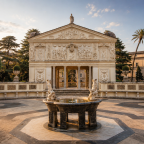
The Abrahamic Family House is composed of three distinct yet harmoniously integrated houses of worship, each embodying a rich spiritual and cultural heritage while opening onto shared gardens that symbolise encounter, hospitality, and dialogue.
The Moses Ben Maimon Synagogue, inaugurated on 16 February 2023, is named after the 12th-century Jewish philosopher Moses Maimonides. As part of the Abrahamic Family House, it provides a welcoming environment for all visitors and serves the growing Jewish community in Abu Dhabi. Accommodating more than 200 worshippers, it is the first purpose-built synagogue in the UAE, featuring a large sanctuary, a mikveh (ritual bath), and a beit midrash (study hall). Its elegant and timeless design draws inspiration from the sukkah, the traditional temporary shelter associated with prayer and reflection.
The Eminence Ahmed El-Tayeb Mosque, also inaugurated on 16 February 2023, is named in honour of the Grand Imam of Al-Azhar, Ahmed Mohamed Ahmed El-Tayeb. The mosque opens onto a shared garden and incorporates prayer space for more than 300 worshippers. Its minimalist architecture, defined by seven arches, reflects the symbolic importance of the number seven in Islam. Beyond its religious function, the mosque regularly hosts educational programmes, panel discussions, and lectures involving religious leaders, community figures, and academics.
The St. Francis Church, named after St. Francis of Assisi, the 13th-century friar devoted to humility, peace, and service, was inaugurated on the same date. While open to all Christian denominations, it is formally a Catholic church administered by the Vatican in Rome and accommodates more than 300 worshippers. Through modern yet classic design elements, its vertical columns symbolically express incarnation and resurrection—descent and ascent. The church also hosts a wide range of educational and cultural activities, including choir performances, workshops, and youth programmes.
Toward a Shared Future
Prof. Andreoli’s visit reaffirmed the profound relevance of the Abrahamic Family House as a living model of peaceful coexistence and ethical dialogue. Its architectural language, educational mission, and inclusive spirit stand as a tangible expression of the values that IASC seeks to promote through its global initiatives.
The Institute for Advanced Studies and Cooperation looks forward to deepening dialogue with the Abrahamic Family House and exploring concrete pathways for collaboration—particularly in the fields of education, ethical governance, interfaith dialogue, and the cultivation of trust as a cornerstone for a more peaceful and flourishing world.
Thanks To

