








IASC ReArt
A Human-Centered Knowledge Systems for Cultural Heritage, Education, and International Cooperation
"Advancing the Organization, Validation, and Transmission of Human Knowledge"
Explore sectionsAbout
Humanity has accumulated an extraordinary body of knowledge through art, science, philosophy, religion, literature, archaeology, and historical experience. Yet much of this knowledge remains dispersed across institutions, disciplines, archives, and repositories that often lack common frameworks for interpretation and accessibility.
As the volume of information continues to expand, the challenge facing contemporary society is no longer the production of knowledge, but its organization, validation, contextualization, and meaningful transmission.
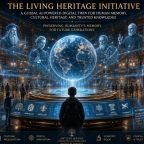
ReArt World has been developed by the Institute for Advance Studies and Cooperation (IASC) as an international educational and research initiative dedicated to exploring new approaches to cultural heritage, knowledge organization, interdisciplinary scholarship, and trusted information systems.
An interdisciplinary international platform dedicated to the preservation, organization, accessibility, and transmission of validated cultural and historical knowledge through human-centered technologies and academic cooperation.
Gallery
Strategic Vision
Knowledge is among humanity's greatest common goods. Civilizations are shaped not only by their achievements, but by their ability to preserve, interpret, and transmit the intellectual, cultural, and historical foundations upon which those achievements were built.
ReArt envisions a future in which cultural heritage, historical memory, and scholarly knowledge become part of interconnected and trustworthy knowledge environments that support education, research, and public understanding. Its ambition is to contribute to the development of new frameworks through which information can be transformed into coherent knowledge, and knowledge into meaningful understanding.
By strengthening the relationship between scholarship, technology, and human interpretation, the initiative seeks to support a more scientific informed, culturally aware, and intellectually connected society.
04 Domains of Development
Supporting the preservation, interpretation, and accessibility of scientifically verified information artistic, archaeological, historical, and cultural knowledge across civilizations and generations.
Developing scientific methodologies capable of transforming fragmented information into structured, coherent, and interconnected systems of understanding.
Creating educational resources and learning environments that encourage critical thinking, historical literacy, and interdisciplinary inquiry.
Advancing approaches that strengthen transparency, validation, contextual understanding, and trust within increasingly complex information ecosystems.
Promoting dialogue and cooperation among institutions, scholars, and communities through the shared value of cultural heritage and human knowledge.
Knowledge Infrastructure
At the core of ReArt lies the Smartico
Method, an interdisciplinary framework developed by reserved and World Changer ambassador Sara Penco for the organization, interpretation, validation, and correlation of complex knowledge systems.
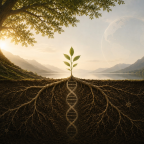
The methodology combines inductive reasoning, deductive analysis, and empirical validation to establish meaningful relationships between information originating from different verified sources, disciplines, and historical contexts.
Rather than functioning solely as an archival system, the framework creates dynamic knowledge environments in which information can be organized, interpreted, refined, and continuously expanded through scholarly inquiry.
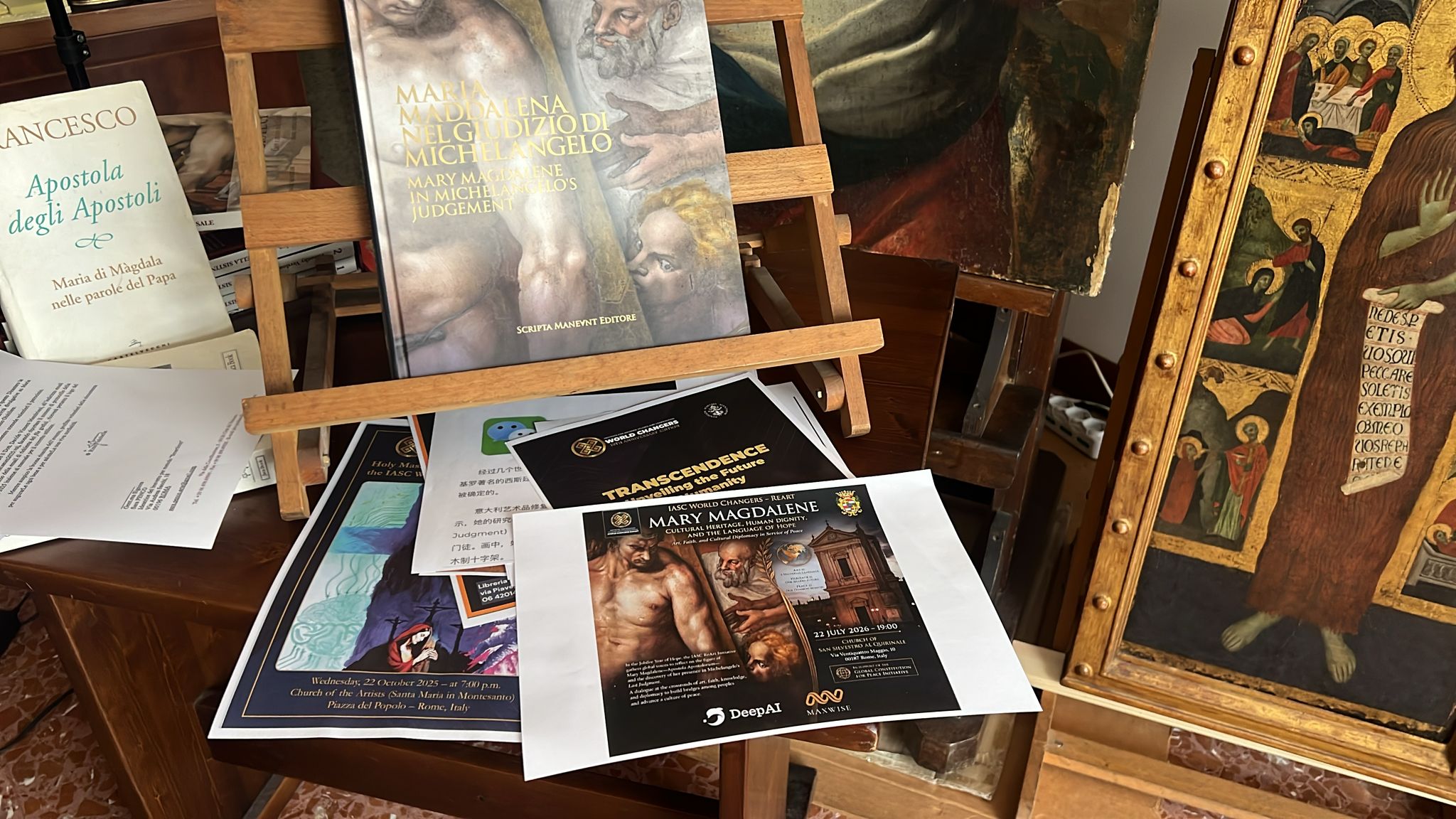
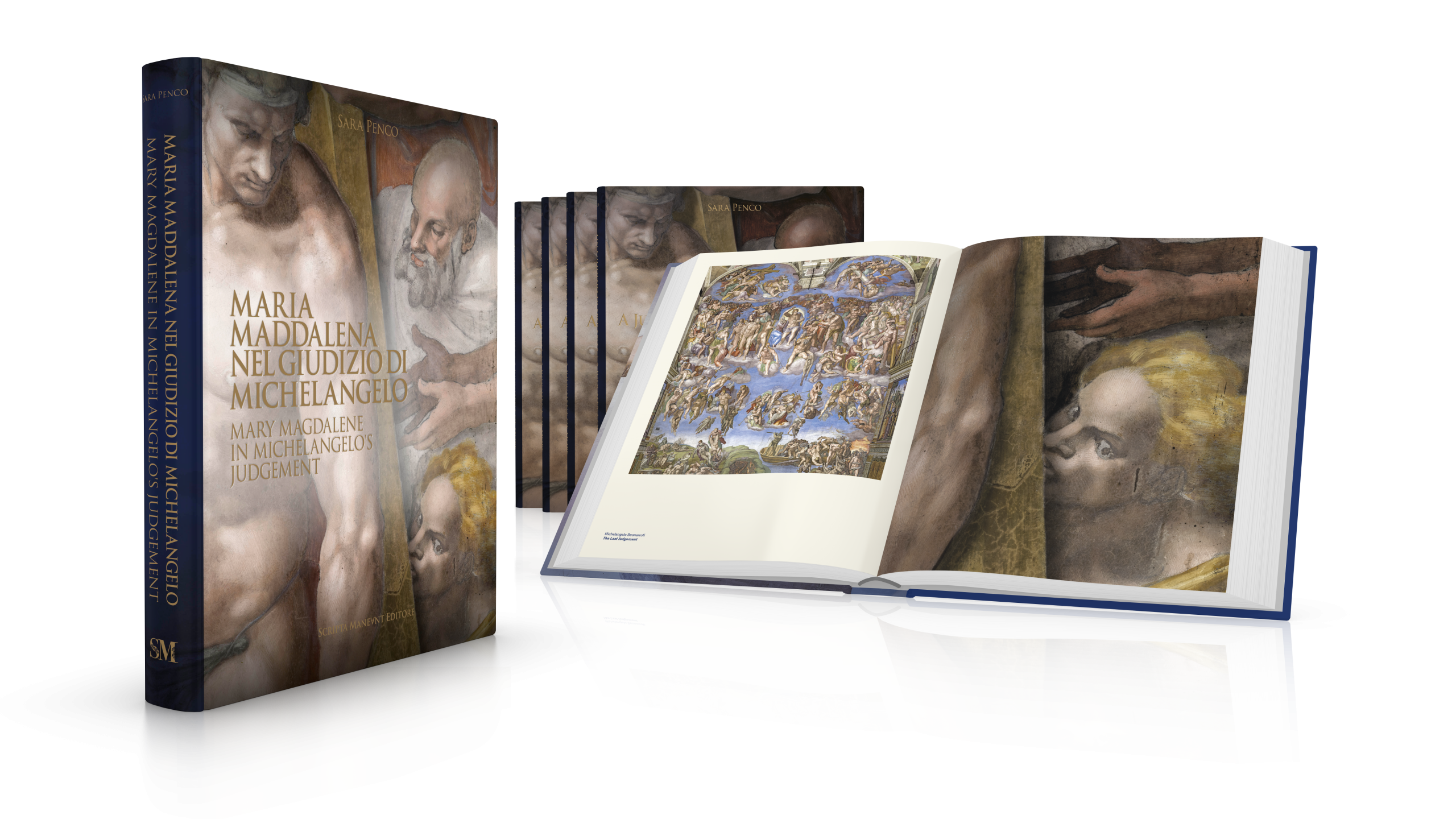
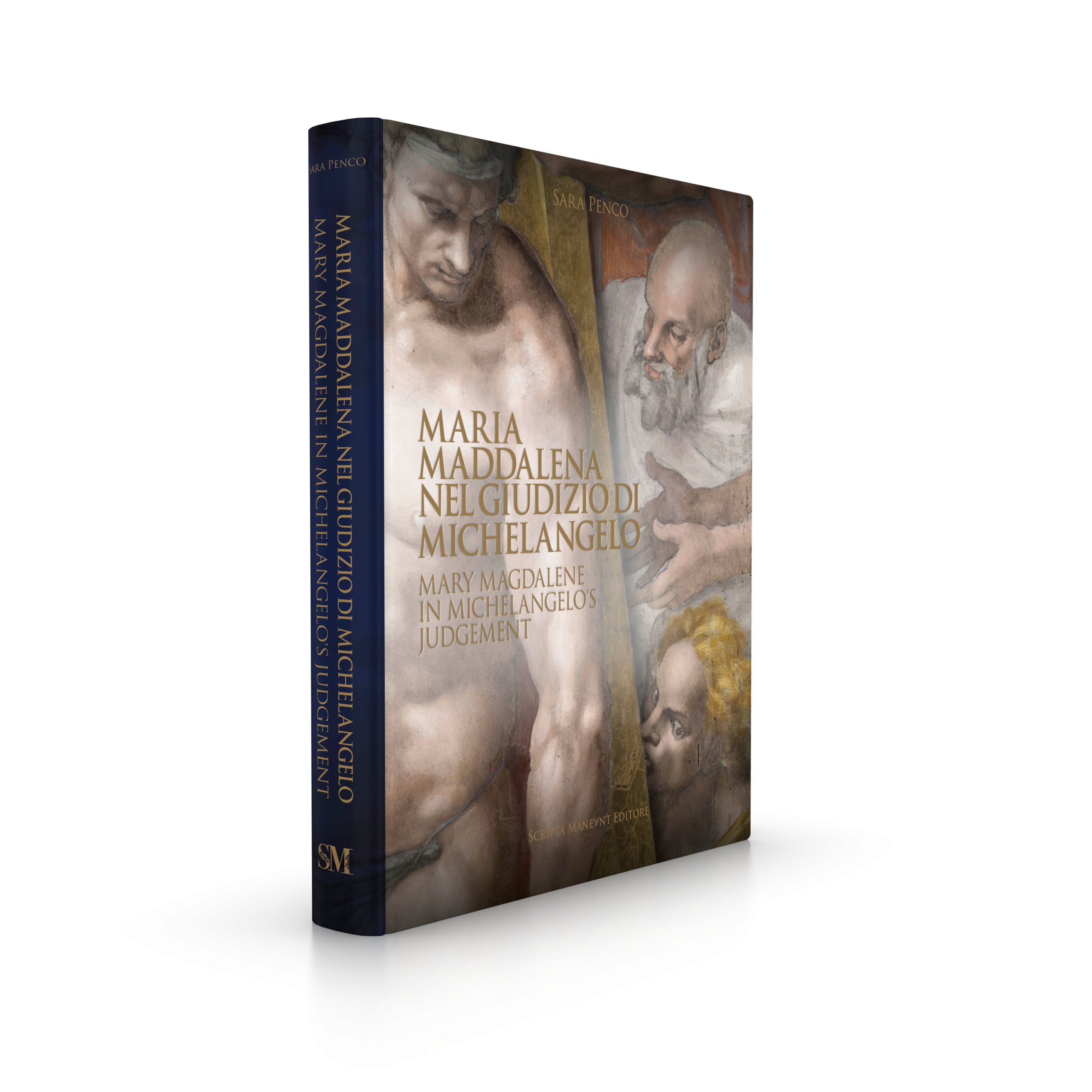
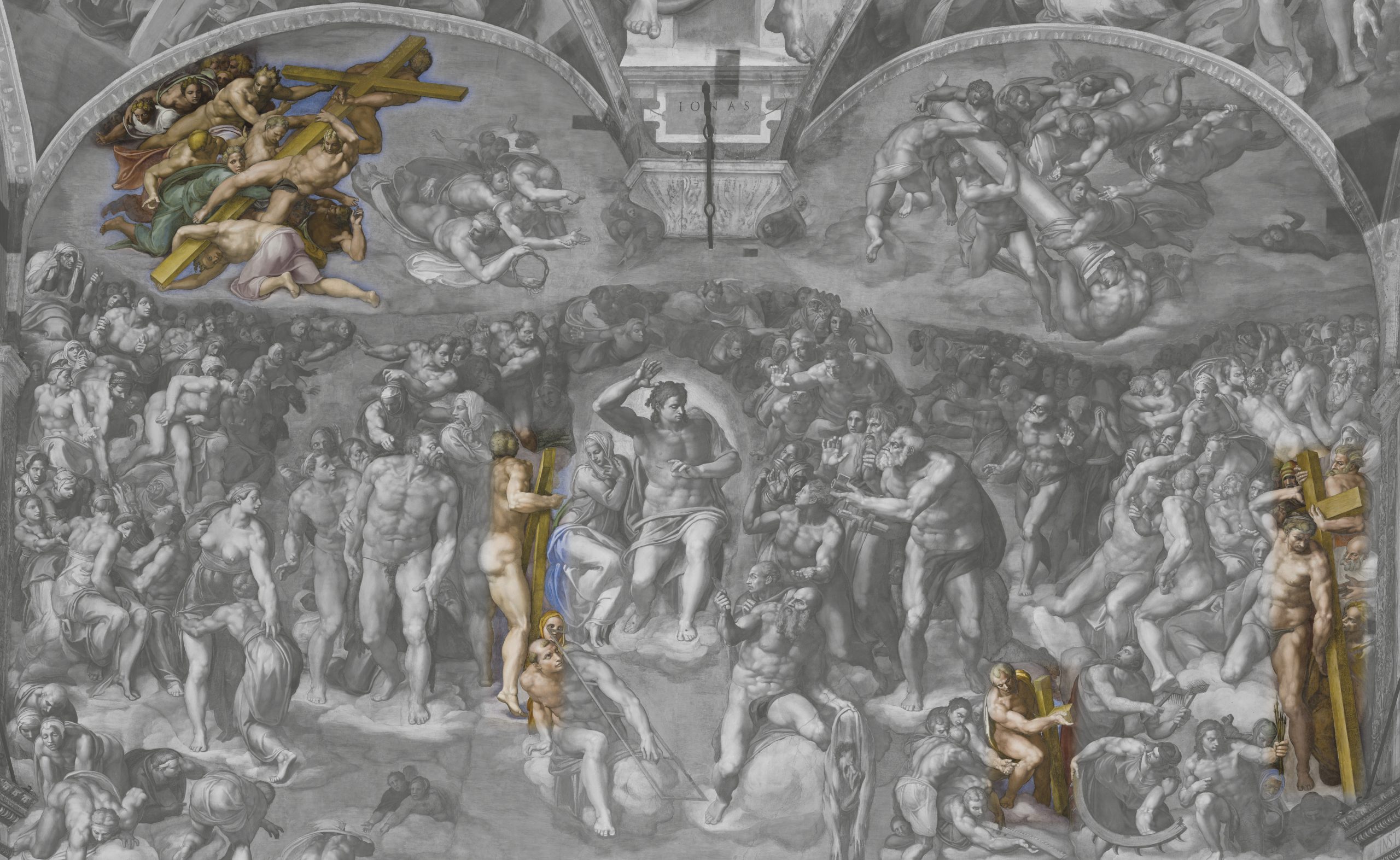
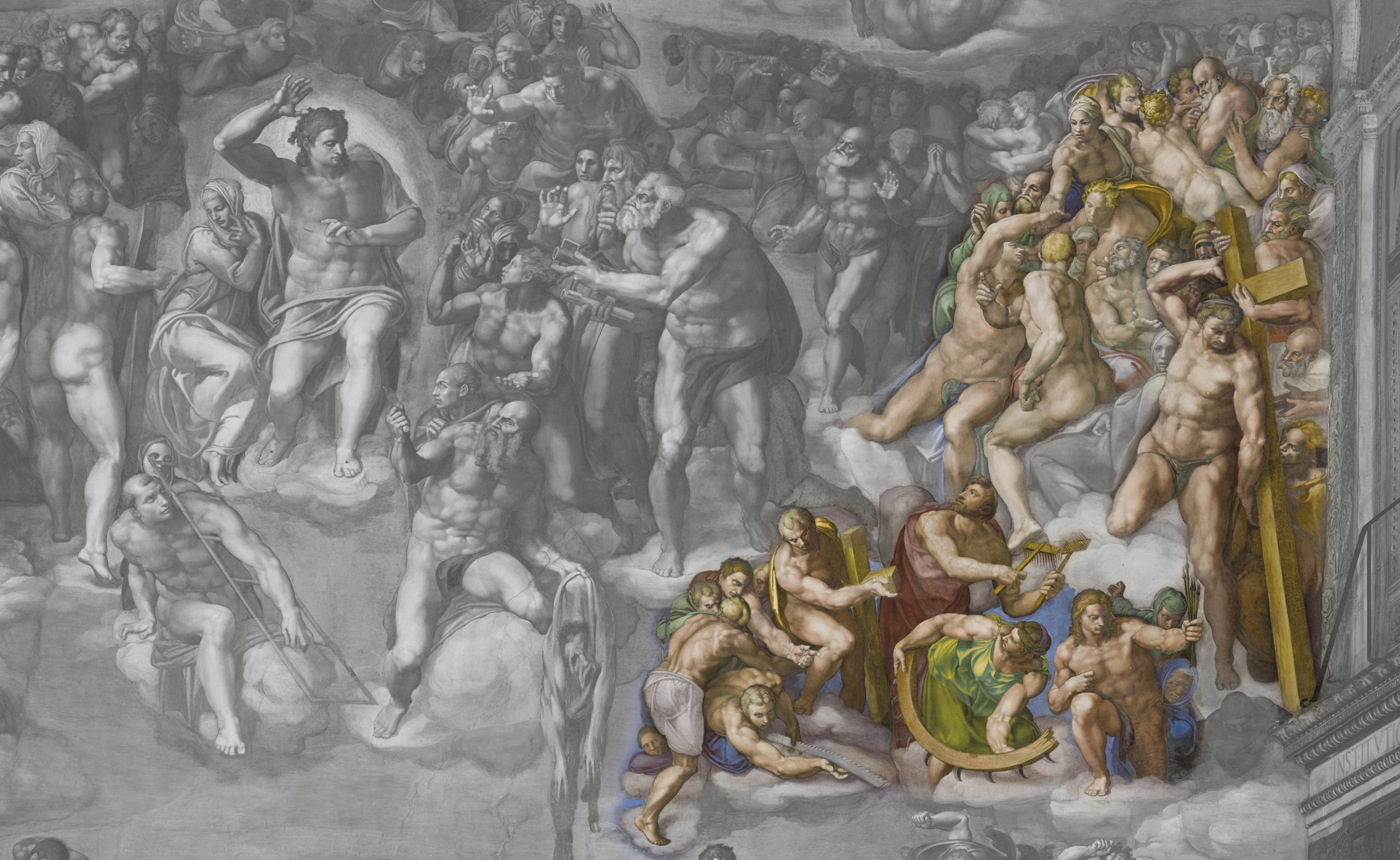
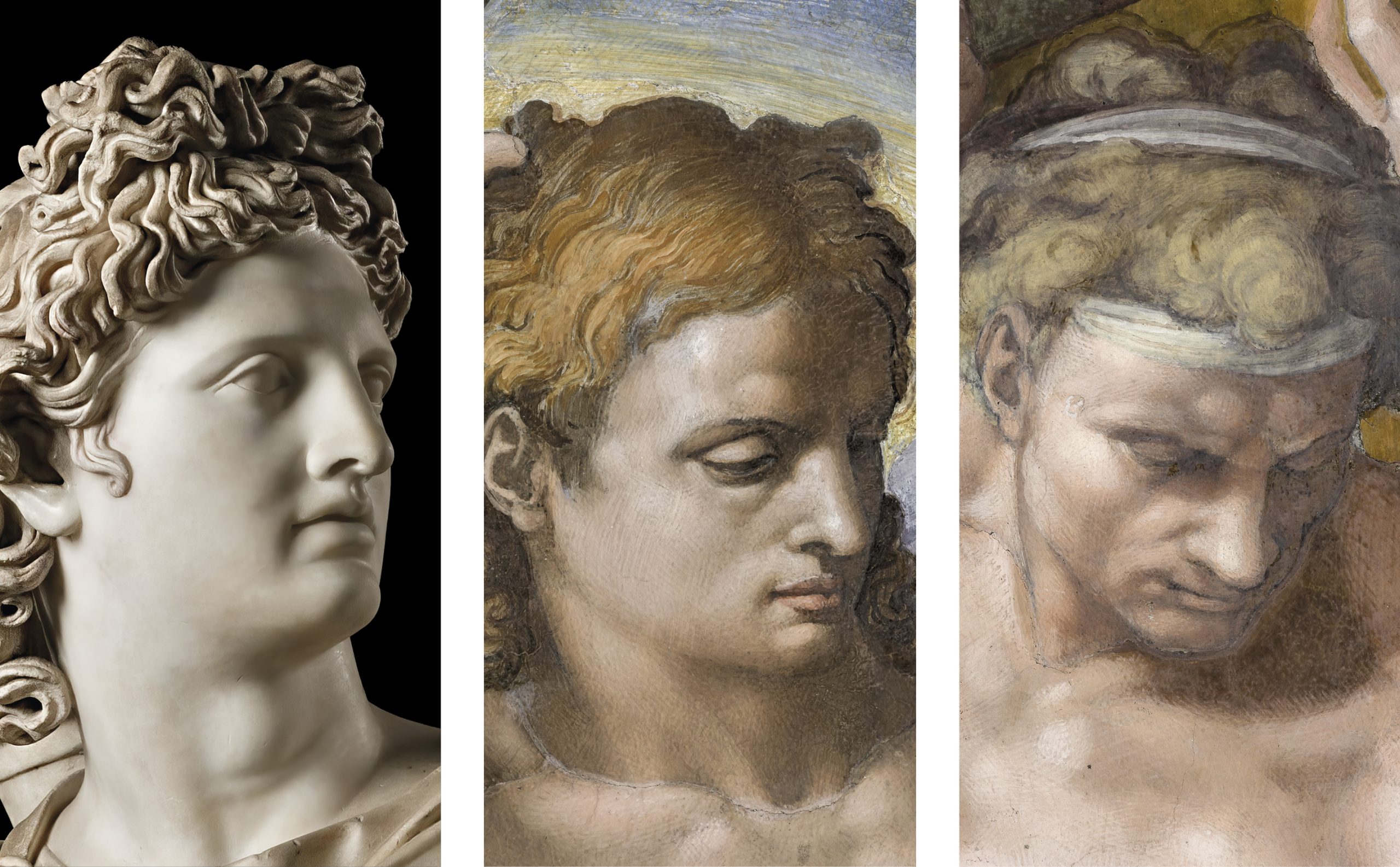
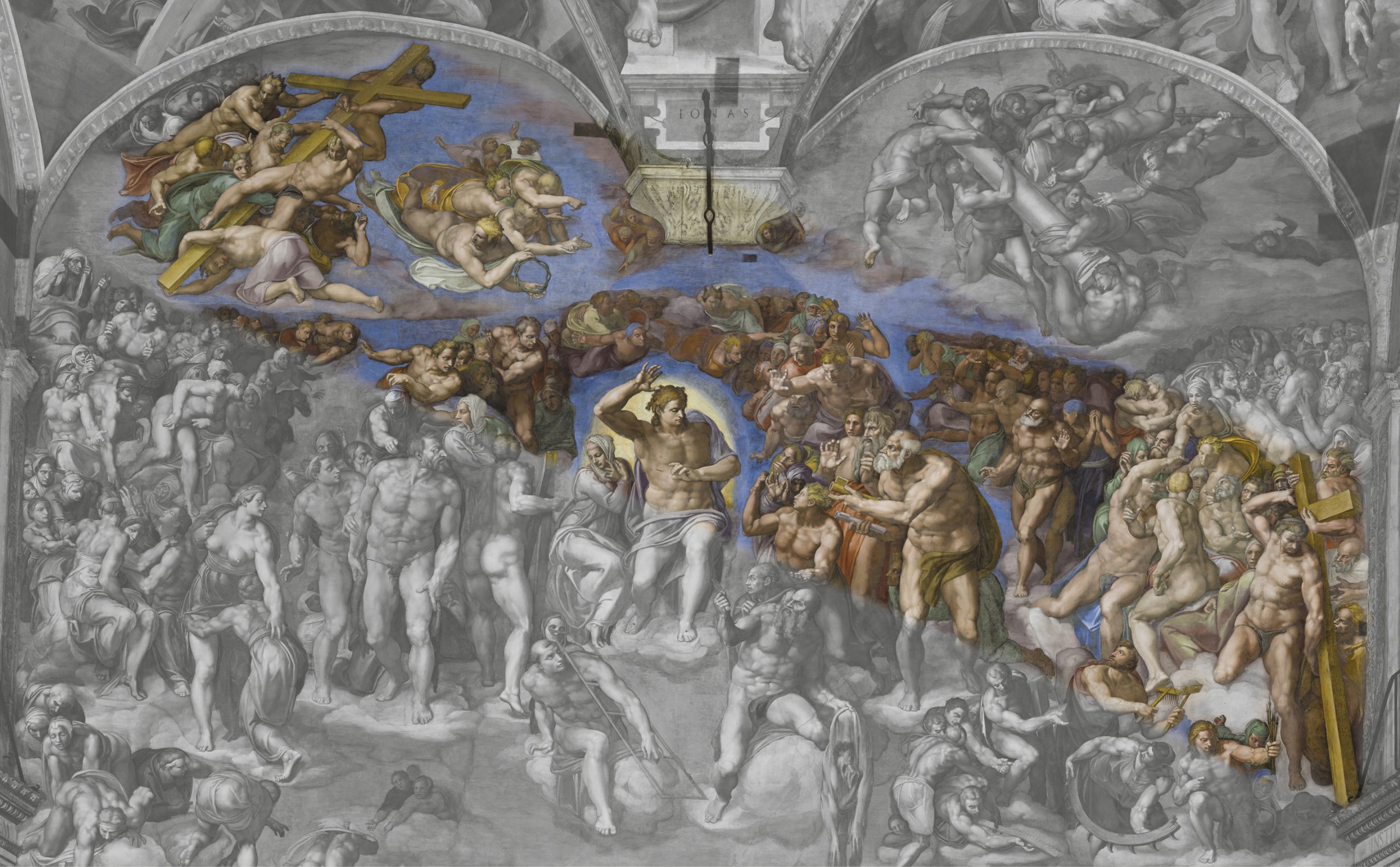
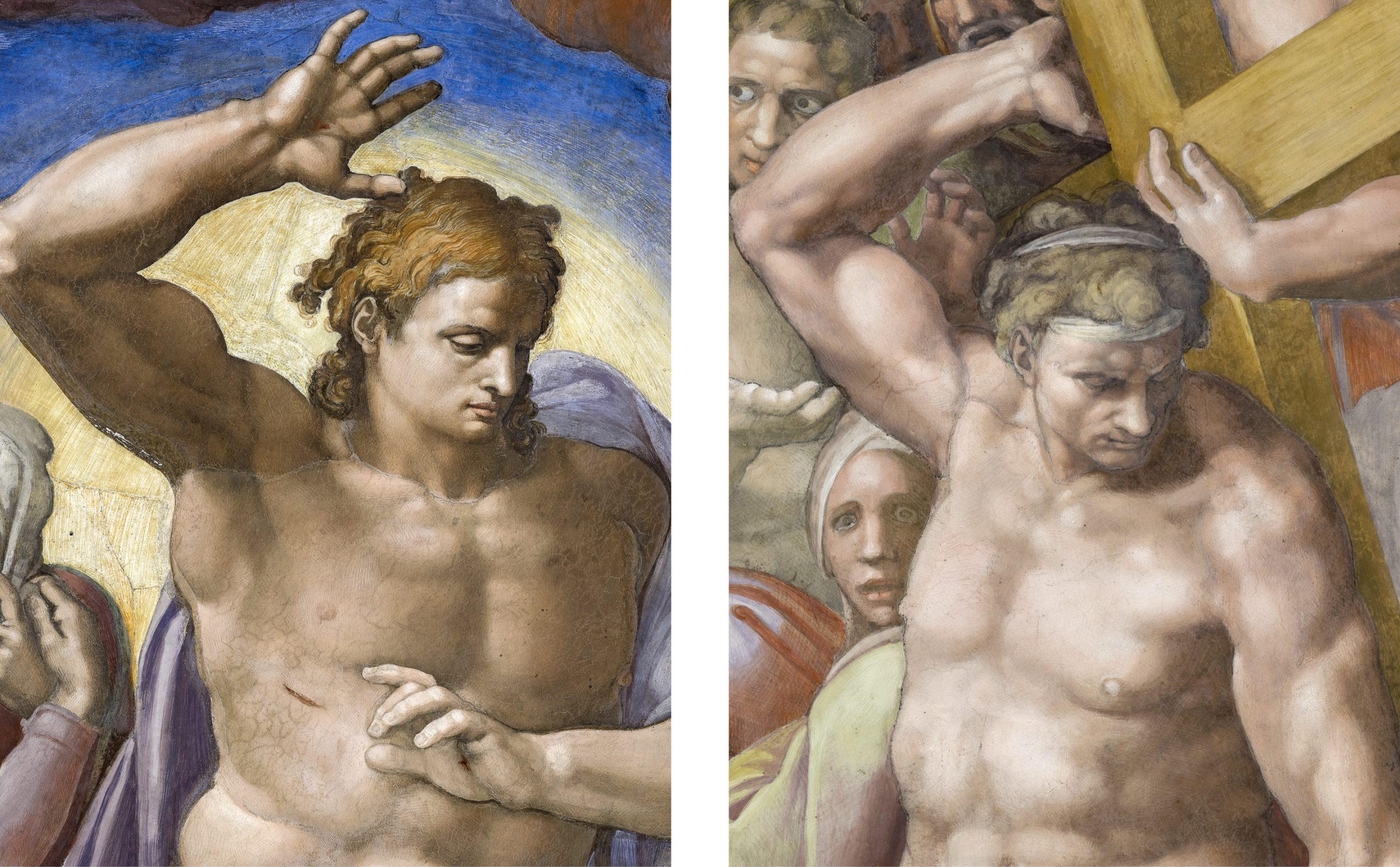
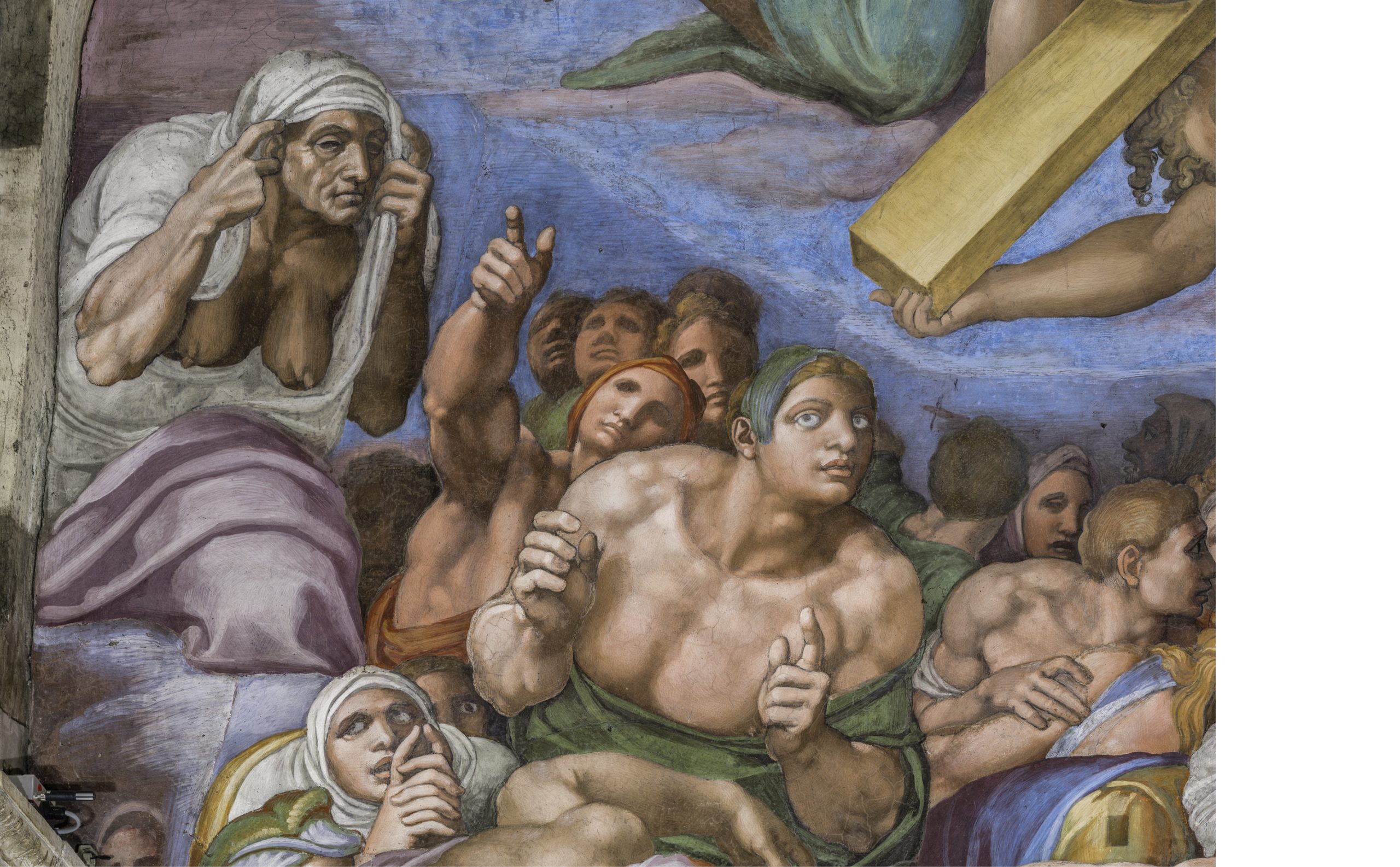
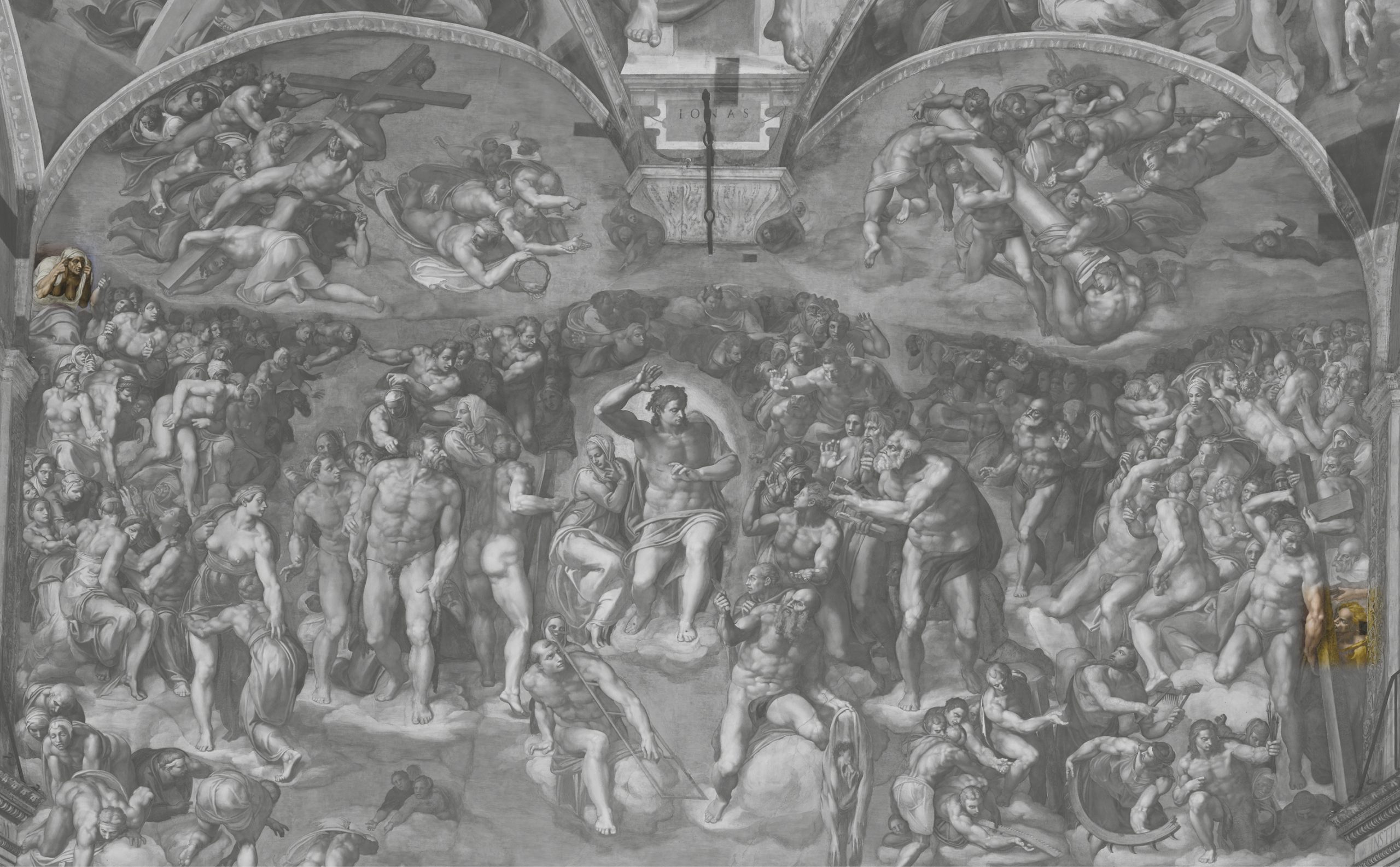
A notable application of the methodology has been the identification of Mary Magdalene withi
Michelangelo's Last Judgment, demonstrating the potential of structured hermeneutic analysis to support cultural heritage research and interdisciplinary scholarship.
The initiative also explores the responsible use of digital technologies, semantic systems, artificial intelligence, and advanced knowledge architectures to support accessibility, preservation, and educational engagement.
In Practice

The Identification of Mary Magdalene in Michelangelo's Last Judgment
Research & Collaboration
ReArt serves as a collaborative platform connecting universities, museums, academies, archives, research institutes, restoration laboratories, cultural organizations, and technology partners.
Research activities span cultural heritage studies, digital humanities, historical interpretation, knowledge organization, information reliability, semantic systems, educational technologies, and trusted knowledge environments.
The initiative promotes international academic cooperation and interdisciplinary exchange, recognizing that the preservation and advancement of human knowledge require contributions from multiple fields, cultures, and institutions.
Through collaborative research, shared expertise, and scientific validation, ReArt seeks to contribute to the development of internationally recognized approaches to knowledge preservation and cultural heritage stewardship.
Join us
ReArt welcomes collaboration from academic institutions, museums, archives, foundations, governments, international organizations, technology partners, philanthropists, and cultural leaders who share a commitment to preserving and advancing humanity's intellectual and cultural heritage.
Through research, education, innovation, and international cooperation, the initiative seeks to contribute to a future in which knowledge remains accessible, trustworthy, and meaningful for generations to come.
By strengthening the connections between information, understanding, and human experience, ReArt aspires to support a more informed and culturally connected world.