





















Bridging Energy Economics and Global Cooperation at the 3rd IAEE MENA Conference
The 3rd IAEE Middle East and North Africa (MENA) Conference, held in Riyadh from December 8-9, 2024, was a landmark event for the global energy community. Organized by the King Abdullah Petroleum Studies and Research Center (KAPSARC) in collaboration with the Saudi Association for Energy Economics (SaudiAEE), the conference explored the theme “Domestic Energy and Economic Transformations in a Transitioning World.”
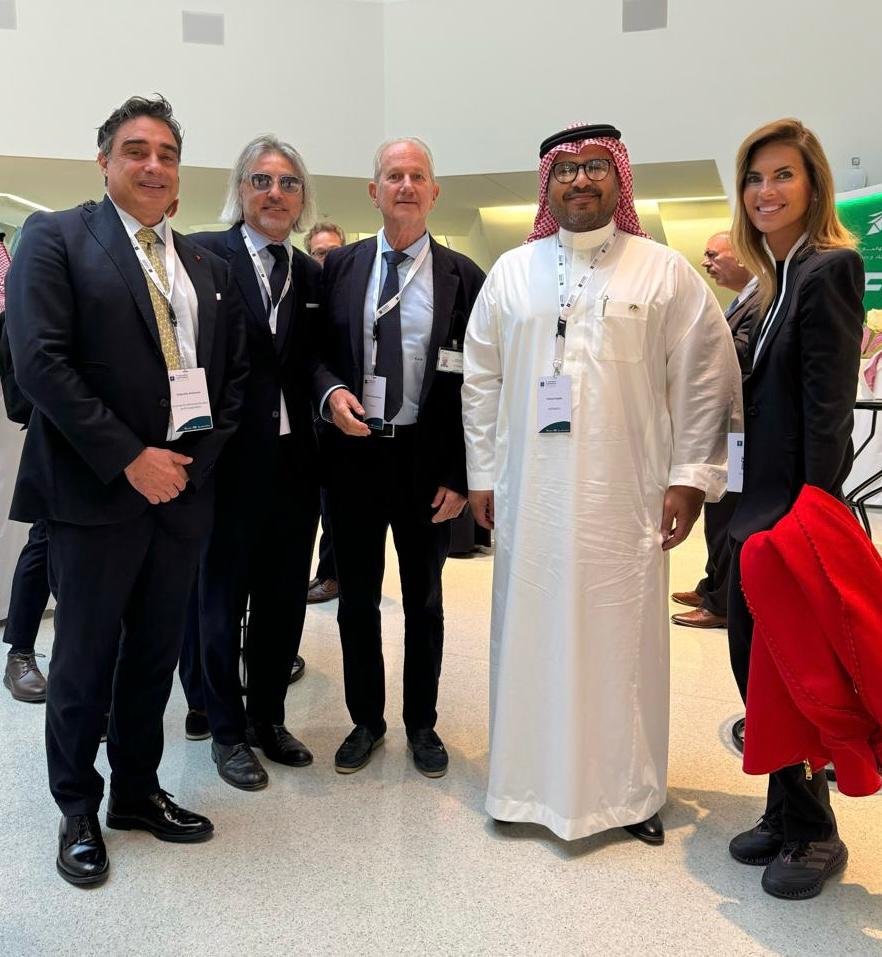
This prestigious gathering brought together policymakers, thought leaders, and industry experts to discuss the complexities of energy transitions, economic transformations, and the innovative technologies reshaping the global energy landscape. Among the distinguished attendees was Sir Prof. Dr. Gabriele Pao-Pei Andreoli, President of the Institute of Advanced Studies and Cooperation. Accompanied by his business partner, Dr. Patrizia Marin, Sir Prof. Andreoli contributed to high-level discussions and engaged in strategic dialogue with Prof. Carlo Andrea Bollino and Dr. Adam Sieminski, President of KAPSARC.
Fostering Global Collaboration for Sustainable Energy
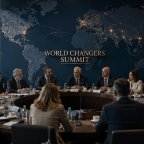
Sir Prof. Andreoli emphasized the importance of bridging knowledge gaps and building collaborative frameworks to address the world’s most pressing energy and economic challenges and invited Dr. Sieminski and Prof. Bollino to take part as distinguished guest at the World Changers Summit.
The Role of KAPSARC in Energy Economics
KAPSARC, a leading think tank based in Riyadh, is renowned for its evidence-based research in energy policy and its impact on shaping global energy strategies. The center’s focus spans critical areas such as carbon management, renewable energy transitions, and energy policy innovation. Its leadership in convening this conference demonstrated its commitment to fostering actionable solutions for global energy challenges.
Sir Prof. Andreoli highlighted the importance of synergies between KAPSARC and the Institute of Advanced Studies and Cooperation. Both institutions share a commitment to advancing multidisciplinary approaches, involving policymakers, academics, and industry stakeholders to develop effective strategies for sustainable energy and economic growth.
Key Insights from the Conference
The conference featured discussions on critical topics, including the role of hydrogen and renewable energy in a transitioning world, carbon capture technologies, and the socio-economic implications of energy policies. As a global advocate for ethical AI and technological centralization, Sir Prof. Andreoli contributed to debates on how advancements in artificial intelligence and data analytics can optimize energy systems, enhance efficiency, and close the digital divide in energy access.
The MENA region emerged as a focal point in the global energy supply chain and a hub for innovation in energy economics. The conference emphasized the importance of domestic energy policies that align with global climate goals and support economic diversification
Thanks To

